One of the world’s largest drinks companies is facing renewed scrutiny in India after previously undisclosed regulatory documents revealed concerns about the labeling of a major whisky brand.
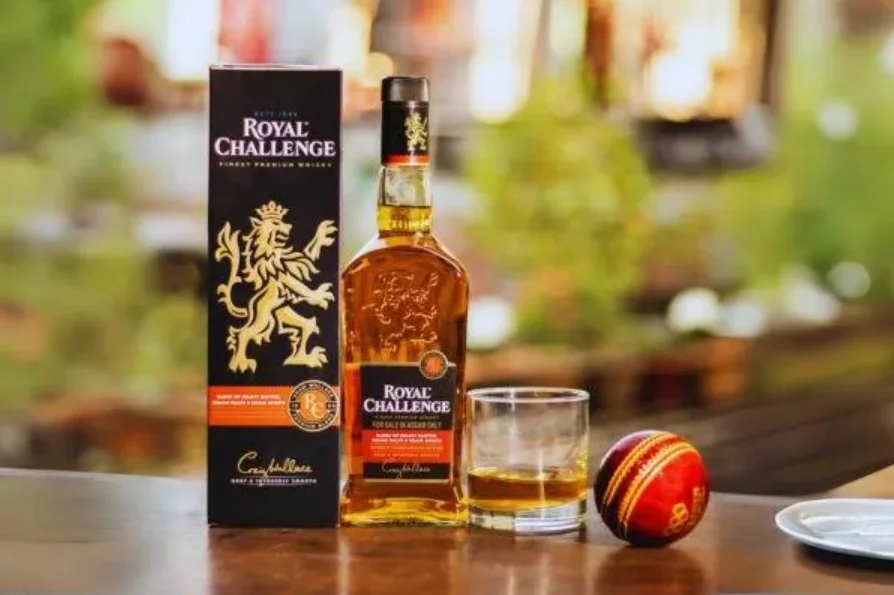
The Food Safety and Standards Authority of India challenged wording used on Royal Challenge whisky, which tells consumers that the product is matured in American oak casks.
According to the regulator, the statement may imply that all the alcohol inside the bottle underwent maturation in wooden casks. However, the listed ingredients include grain-neutral spirit, which authorities said forms a major non-matured part of the product.
The warning was contained in a confidential notice dated 20 July but became public on 8 August. It adds a separate labeling dispute to the flavouring-related action already affecting certain alcoholic products manufactured in India.
Royal Challenge is commercially important to Diageo’s Indian business. More than 4.5 million nine-litre cases are sold in the country each year, placing the brand among the company’s largest domestically produced whisky products.
The regulator argued that when a drink combines spirits of different ages, any age-related statement should refer to the youngest component rather than highlighting only the older or matured portion. It also questioned whether the label sufficiently explains the type of imported Scotch used in the blend.
Diageo India, formally known as United Spirits, said it remained committed to high quality standards and was engaging with the authority to address its labeling questions. The company has not accepted the allegation that its marketing misleads consumers.
United Spirits also indicated that it did not currently expect a related sales restriction to produce a material financial impact. However, continued regulatory pressure could force label redesigns, manufacturing changes or legal challenges.
The dispute is unfolding within India’s alcohol market, estimated to be worth approximately $40 billion. Global and domestic drinks companies are competing for rapidly growing demand, especially in premium and mid-priced categories.
Regulators have simultaneously intensified their examination of product descriptions, ingredients and artificial flavourings. The broader campaign has also affected energy-drink companies and food manufacturers accused of using labels that authorities consider unclear or difficult to verify.
For consumers, the issue goes beyond one bottle of whisky. Words such as “aged,” “matured” and “oak cask” can influence perceptions of quality and justify higher prices. Regulators therefore want those claims to describe the complete product accurately rather than only selected ingredients.
The case could encourage other liquor producers operating in India to review their labels before regulators expand enforcement. It may also influence how blended spirits are described in one of the world’s most valuable alcohol markets.