A new era is beginning at Berkshire Hathaway as chief executive Greg Abel moves billions of dollars into investments after years in which the company accumulated an unprecedented cash reserve under Warren Buffett.
Berkshire’s second-quarter results, released on 8 August, showed that the conglomerate purchased close to $20 billion more in shares than it sold during the period. It was a significant reversal from Buffett’s recent strategy of reducing investments while waiting for more attractive opportunities.
Among the biggest moves was an investment of approximately $10 billion in Alphabet, the parent company of Google. The purchase gives Berkshire greater exposure to digital advertising, cloud computing and artificial intelligence—industries that historically received limited attention within its investment portfolio.
The company also repurchased around $4.5 billion of its own shares during the quarter, following a buyback pause that had lasted nearly two years. Berkshire reportedly acquired an additional $3.3 billion of its shares in July, indicating that its leadership believes the stock offers attractive long-term value.
Despite the spending, Berkshire remains extraordinarily wealthy. Its cash and short-term Treasury holdings declined to approximately $365 billion, leaving Abel with one of the largest corporate reserves ever controlled by a chief executive.
The conglomerate’s operating profit increased 16% from the same quarter a year earlier, reaching approximately $12.98 billion. Net income more than doubled to $25.67 billion, although Berkshire frequently warns that quarterly investment gains can make its reported net earnings appear unusually volatile.
Rail transport, energy, manufacturing and service businesses supported the stronger performance. BNSF Railway, NetJets and electronics distributor TTI were among the operations contributing to the improvement.
Insurance produced a less encouraging result. GEICO’s underwriting profit reportedly declined by about 45% as accident claims and marketing expenses increased, showing that not every part of the sprawling Berkshire empire benefited equally during the quarter.
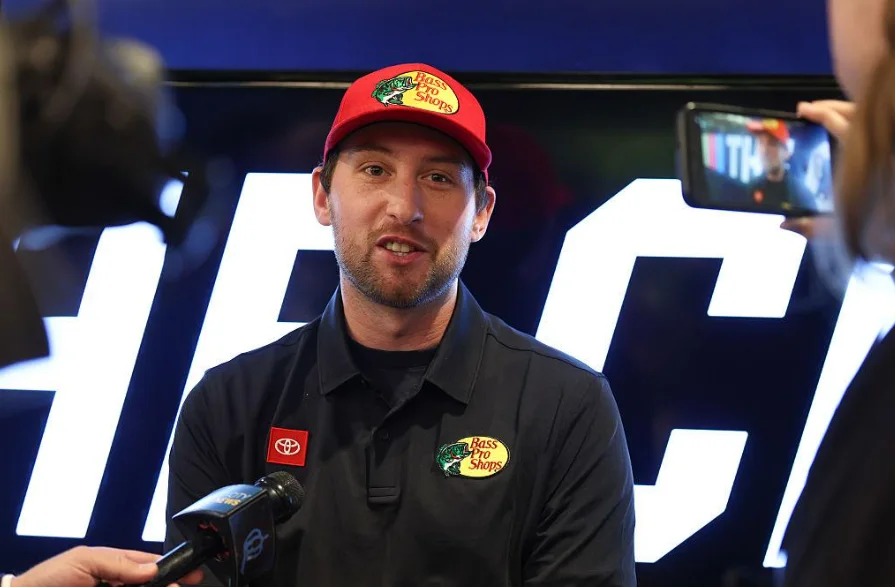
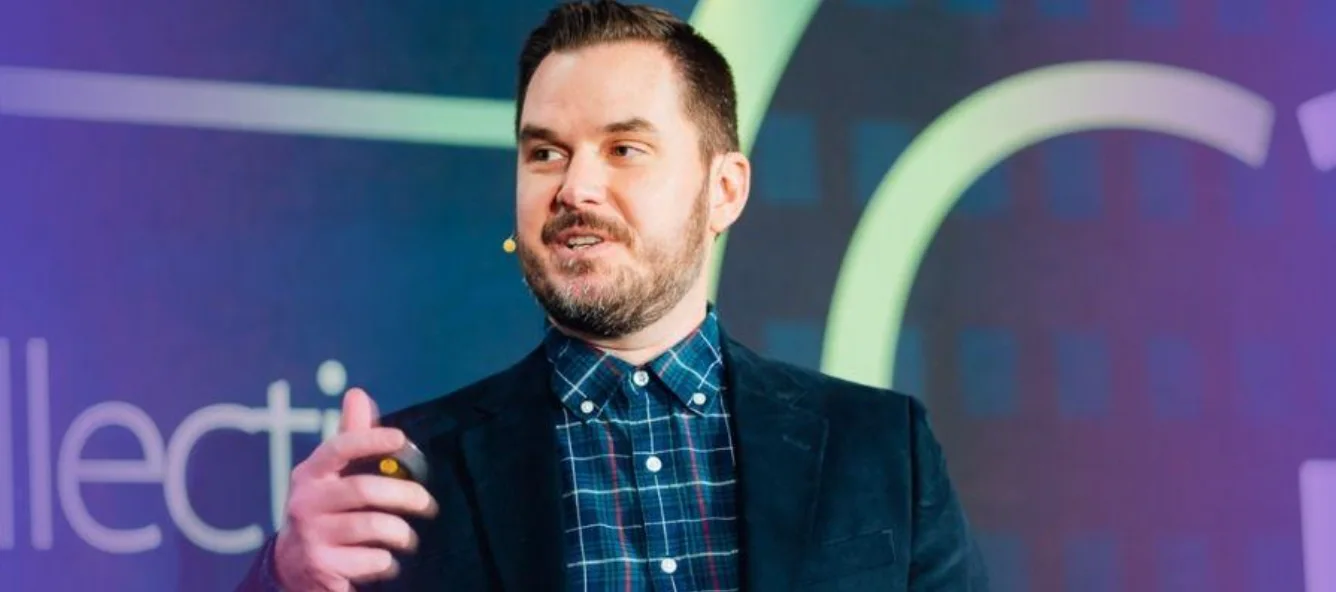
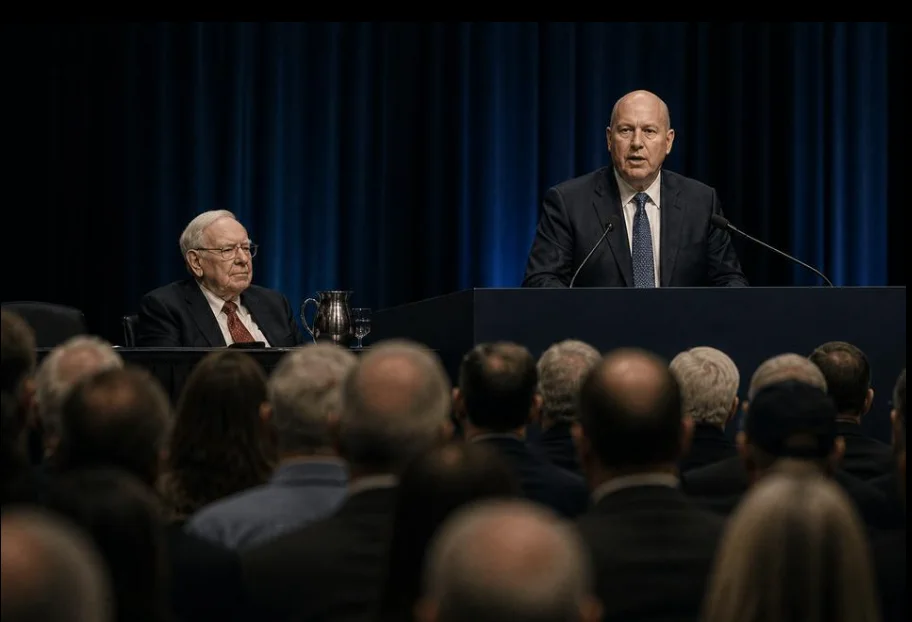
Abel became chief executive at the beginning of 2026, while Buffett remained chairman. Because Buffett’s cautious investment decisions shaped global market expectations for decades, investors are closely examining whether Abel’s willingness to spend signals a lasting change in Berkshire’s approach.
The results suggest continuity in Berkshire’s preference for financially strong companies, but with a more active capital strategy. Abel is beginning to leave his own mark on the company turning a portion of Buffett’s cash mountain into technology investments and share repurchases while preserving hundreds of billions for future opportunities.