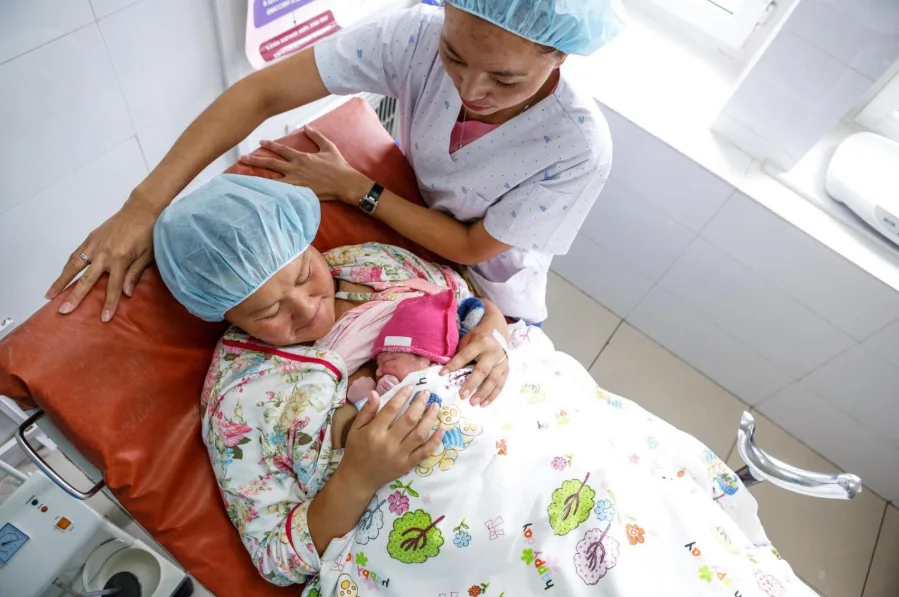
The World Health Organization (WHO) has called on countries around the world to expand support for breastfeeding as part of broader efforts to improve maternal and child health. According to WHO, stronger healthcare systems, better maternity care, and supportive workplace policies are essential to help mothers breastfeed successfully and give children the healthiest possible start in life.
Health experts note that breastfeeding provides ideal nutrition for infants while helping protect them against infections, malnutrition, and several childhood illnesses. It also offers long-term health benefits for mothers, including a reduced risk of certain diseases. WHO is encouraging governments, employers, and communities to work together to remove barriers that prevent women from breastfeeding.
The organization emphasized that increasing breastfeeding rates could save hundreds of thousands of young lives each year while reducing healthcare costs and supporting healthier childhood development. As part of the campaign, WHO is promoting improved maternity leave policies, access to skilled lactation support, and baby-friendly health facilities.
Public health specialists describe the campaign as one of the year's most significant maternal and child health initiatives. They say stronger investment in breastfeeding support can contribute to healthier families, lower infant mortality, and improved public health outcomes across both developed and developing countries.