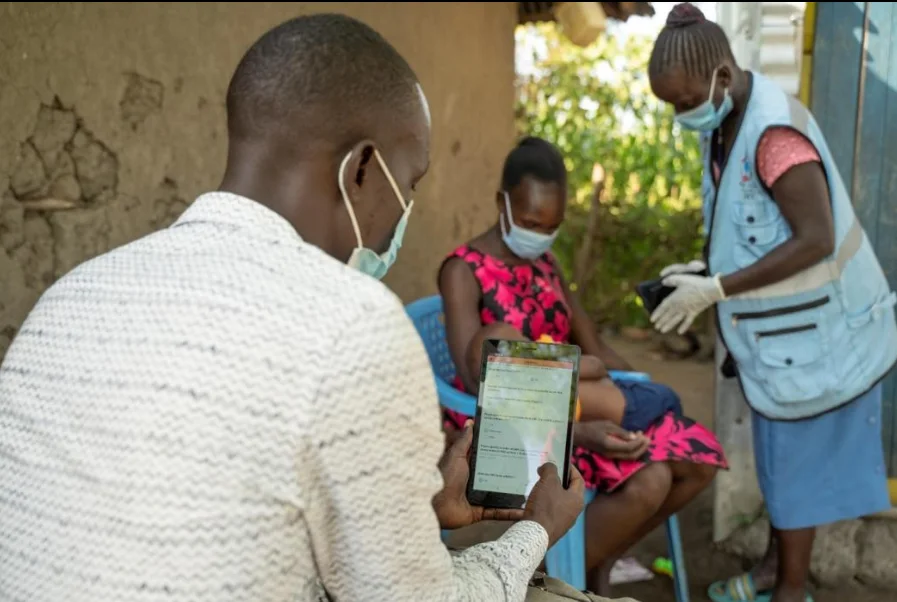
The World Health Organization has introduced updated guidance designed to improve how countries collect, analyze, and use health data related to neglected tropical diseases. The recommendations encourage governments to strengthen routine health information systems so that diseases can be identified earlier, monitored more accurately, and managed more effectively.
Neglected tropical diseases—including illnesses such as lymphatic filariasis, schistosomiasis, leprosy, and dengue—continue to affect more than one billion people, particularly in low- and middle-income countries. WHO says stronger surveillance systems are essential for measuring progress toward disease elimination and ensuring patients receive timely diagnosis and treatment.
The new guidance outlines practical recommendations for ministries of health to improve data quality, integrate disease reporting into national health systems, and strengthen decision-making at both local and national levels. WHO believes better routine data will enable countries to respond more quickly to outbreaks while making health programs more efficient and accountable.
Public health experts have welcomed the publication, noting that reliable health information is one of the foundations of effective healthcare systems. By strengthening surveillance and reporting, countries can better protect vulnerable populations, allocate medical resources more effectively, and accelerate progress toward eliminating neglected tropical diseases worldwide.