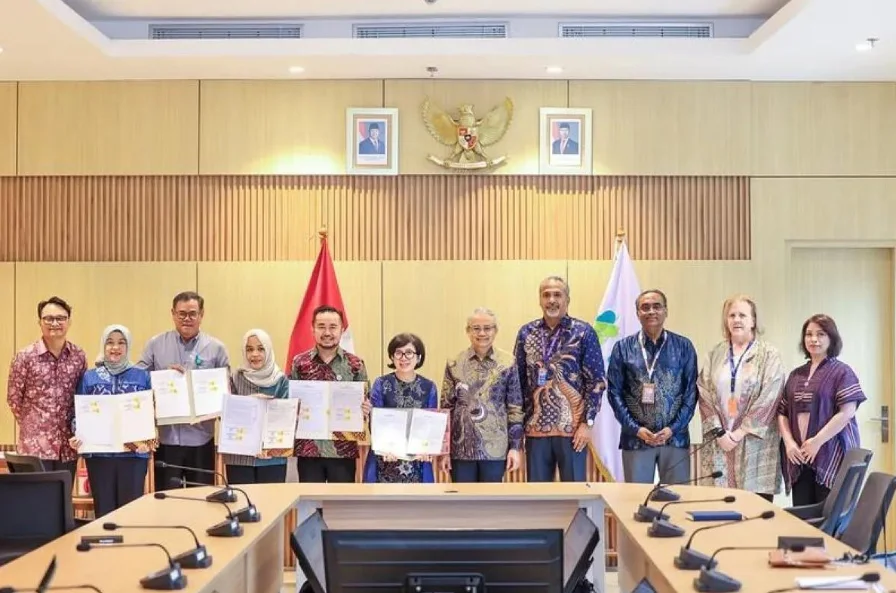
Indonesia has reaffirmed its commitment to protecting public health by advancing its National Action Plan for Health Security (NAPHS), a comprehensive strategy designed to improve the country's preparedness for infectious disease outbreaks and other public health emergencies. The announcement follows a high-level meeting in Jakarta involving government agencies, WHO, and international health partners.
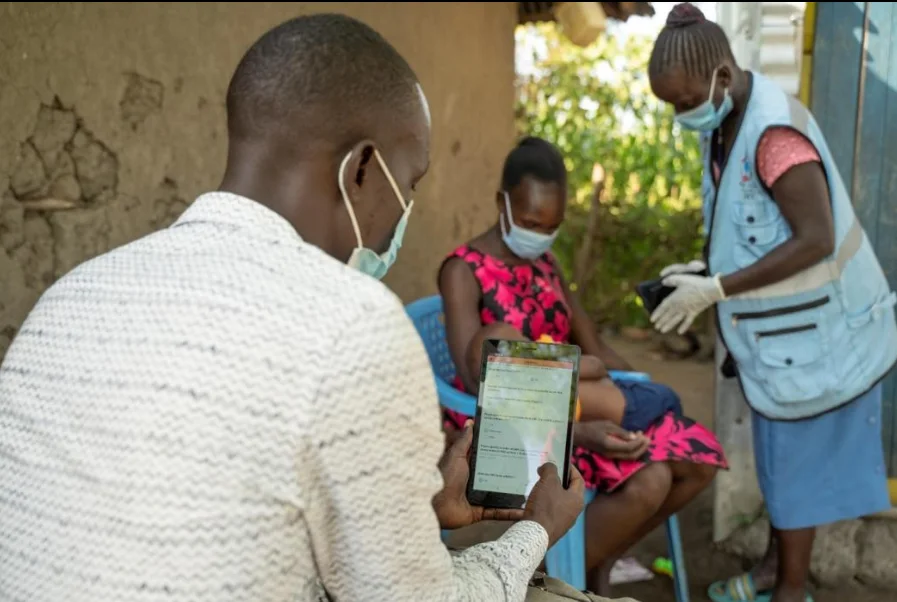
The updated plan focuses on strengthening early disease detection systems, expanding laboratory networks, improving emergency response capabilities, and enhancing coordination between the health, agriculture, environment, and security sectors. Officials said these measures are essential for responding quickly to future threats that could spread across borders.
The initiative is aligned with the International Health Regulations (IHR), the global framework that helps countries prevent, detect, and respond to public health risks. WHO emphasized that building resilient national health systems is critical to reducing the impact of future pandemics and other health emergencies.
Health experts welcomed the announcement, noting that investments in surveillance, trained healthcare workers, and emergency preparedness not only improve a country's ability to combat infectious diseases but also strengthen routine healthcare services. The move reflects a broader global effort to ensure nations are better equipped to respond to emerging health threats before they become international crises