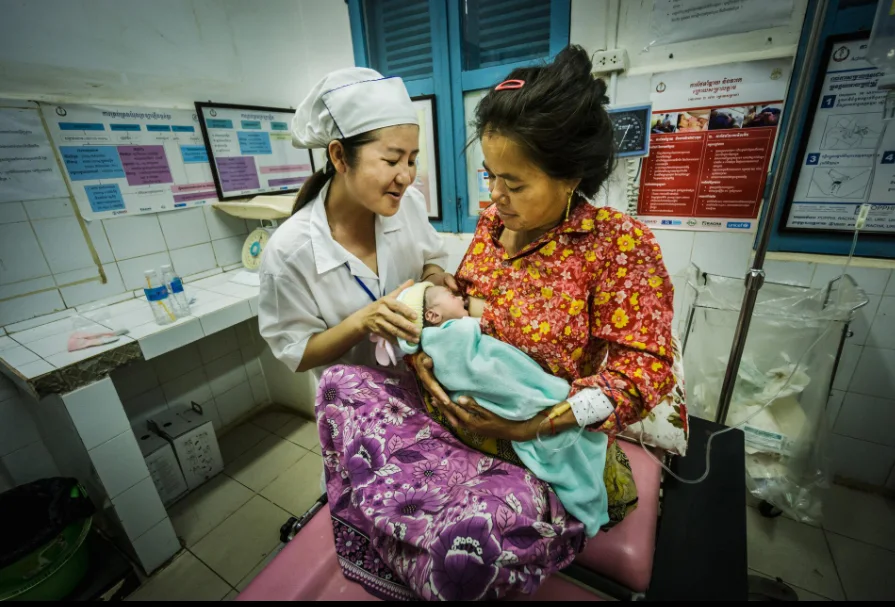
The World Health Organization has urged countries to increase investment in breastfeeding support, describing it as a critical public health priority that can save lives and improve long-term health outcomes for both mothers and children. WHO says stronger health systems, trained healthcare workers, and supportive workplace policies are essential to help families successfully breastfeed.
According to WHO, breastfeeding provides newborns with ideal nutrition, strengthens the immune system, and reduces the risk of infectious diseases during early childhood. It also offers long-term health benefits, lowering the likelihood of obesity, diabetes, and certain chronic illnesses later in life, while reducing mothers' risk of breast and ovarian cancers.
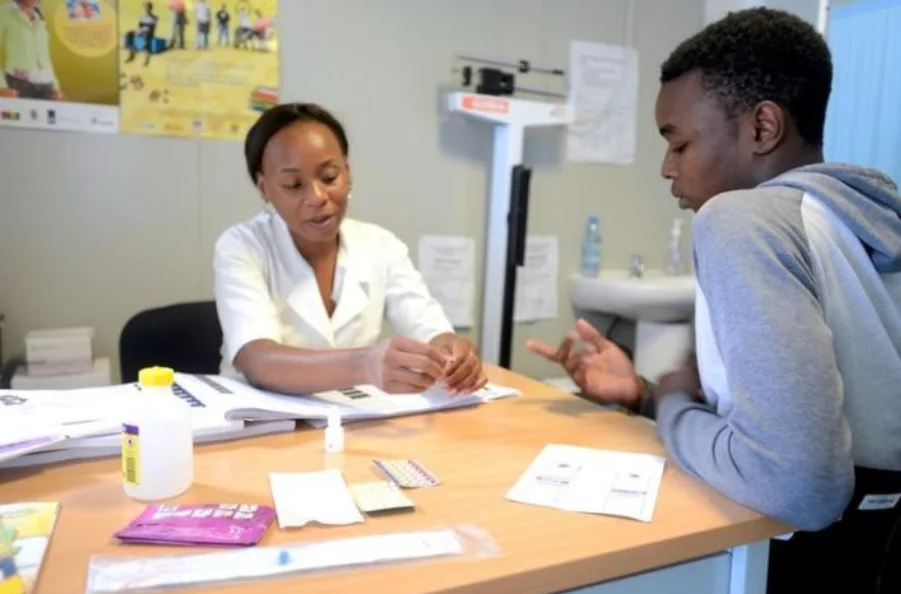
The organization stressed that many mothers face barriers such as inadequate maternity leave, limited access to breastfeeding counseling, and aggressive marketing of breast-milk substitutes. WHO is encouraging governments, employers, and healthcare providers to work together to create environments where mothers can breastfeed successfully for as long as recommended.
The announcement comes as countries prepare to mark World Breastfeeding Week, an annual campaign promoting maternal and child health. WHO believes expanding breastfeeding support could prevent hundreds of thousands of child deaths each year while contributing to healthier families and stronger health systems around the world.