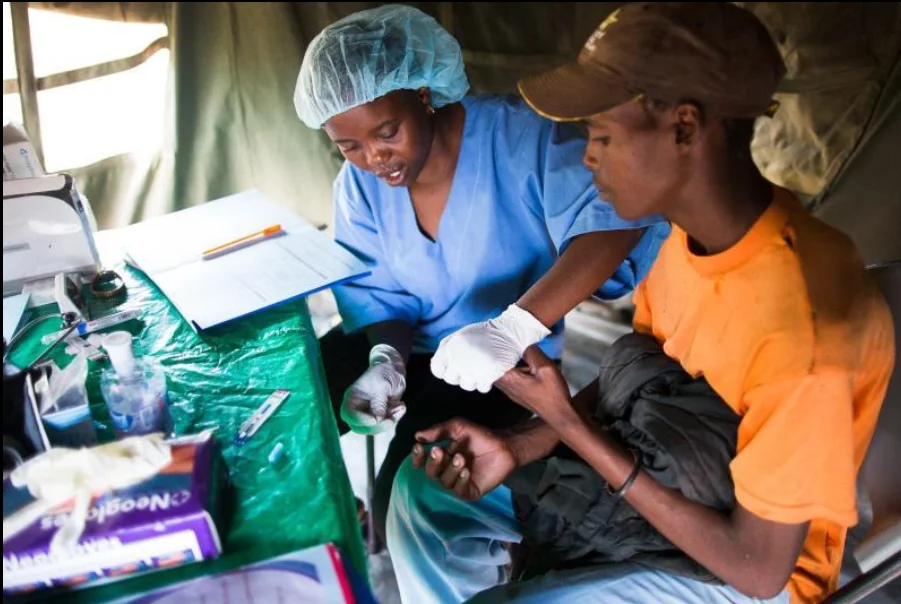
The World Health Organization (WHO) has issued a renewed global call for countries to intensify efforts against HIV, hepatitis, and sexually transmitted infections, warning that progress remains uneven despite major scientific advances. WHO emphasized that millions of people still lack timely access to prevention, testing, and treatment services.
According to WHO, integrating health services will make it easier for people to receive comprehensive care in one place, while new diagnostic technologies, digital health tools, and community-led initiatives can significantly improve disease detection and treatment outcomes. The organization also stressed the importance of reducing stigma and ensuring that vulnerable populations have equal access to healthcare.
Health experts say HIV, hepatitis, and STIs remain major public health challenges, particularly in low- and middle-income countries. Expanding screening programs, improving access to medicines, and increasing public awareness are viewed as critical steps toward achieving international health targets over the next decade.
WHO believes that stronger political commitment and sustained investment could dramatically reduce new infections and prevent millions of premature deaths. The latest appeal reinforces the organization's goal of ending these diseases as major public health threats through coordinated global action.