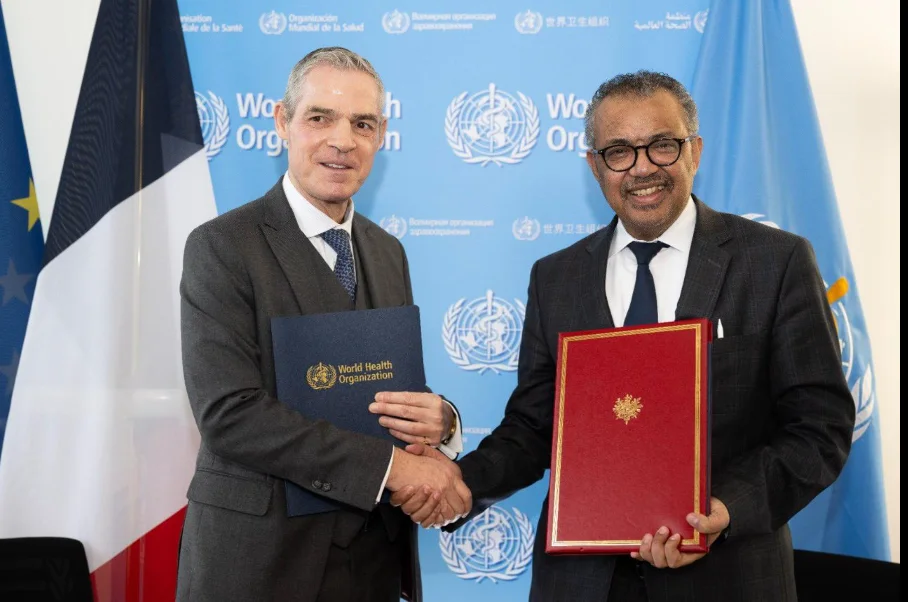
The World Health Organization, in partnership with France, has launched a series of high-impact initiatives under the One Health framework, a strategy that recognizes the close connection between human health, animal health, and environmental health. The program aims to improve countries' ability to detect, prevent, and respond to infectious diseases before they become global emergencies.
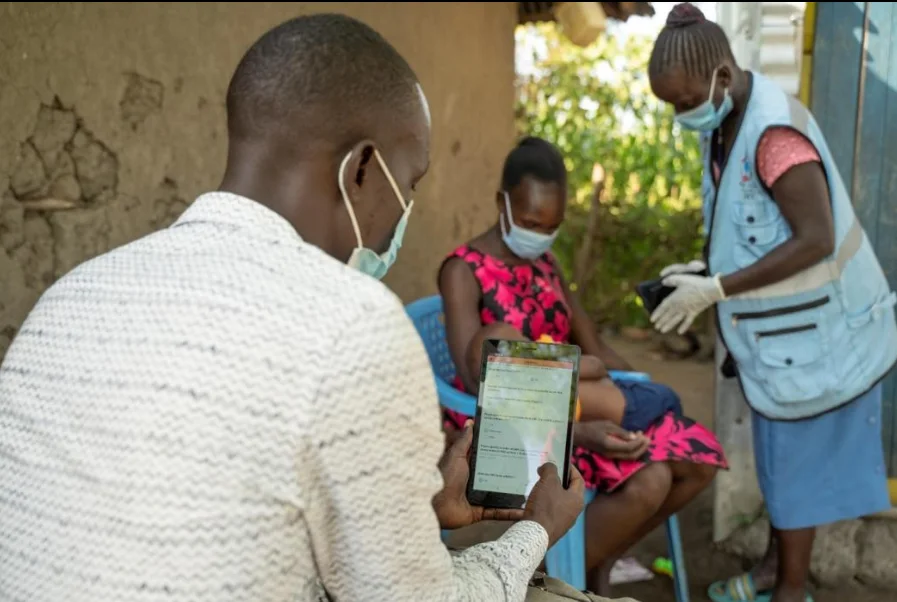
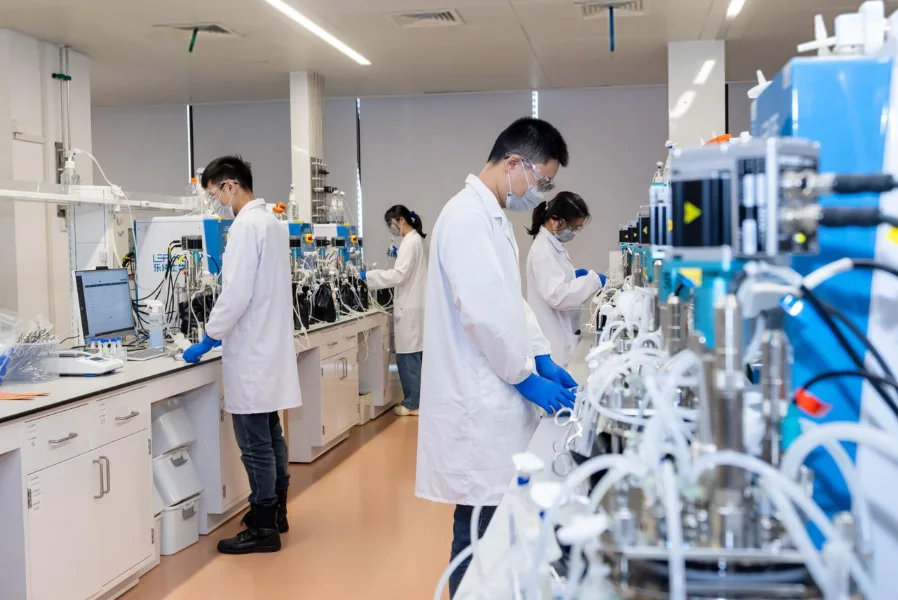
According to WHO, the new initiative will strengthen laboratory networks, expand disease surveillance systems, improve data sharing between countries, and promote scientific collaboration across the medical, veterinary, and environmental sectors. Officials say these measures are essential as the world continues to face growing risks from emerging viruses, antimicrobial resistance, climate change, and zoonotic diseases that can spread from animals to humans.
The initiative also focuses on helping lower-income countries build stronger public health systems by investing in workforce training, scientific research, and early warning technologies. WHO believes that detecting outbreaks quickly and coordinating international responses can significantly reduce the human and economic impact of future health crises.
Health experts have welcomed the announcement, describing it as an important step toward improving global health security. As recent outbreaks have demonstrated, diseases can spread rapidly across borders, making international cooperation and science-based public health strategies increasingly important for protecting populations around the world