Uganda is giving its public libraries a fresh role in the digital age, combining renewed government funding with training designed to prepare library professionals for a world increasingly shaped by artificial intelligence and online information.
The Ministry of Education and Sports confirmed Friday that the Public Libraries Conditional Grant has been reinstated and approved under the 2026/2027 financial-year budget, with the release of the funding now being processed. The grant had previously been suspended.
The development could provide an important financial boost to local governments responsible for operating public libraries, particularly as libraries expand beyond traditional book-lending services into digital learning, research and community information centres.
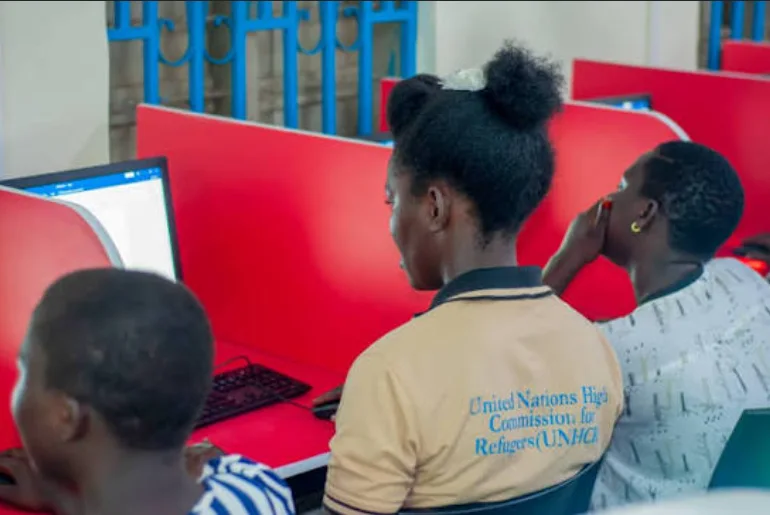
The funding announcement follows a four-day Continuous Professional Development programme for public-library personnel that concluded on 13 August. Forty participants drawn from 20 local governments took part, including librarians, ICT personnel and records officers.
Training covered areas such as digitisation, electronic information resources, library management, advocacy, social-media use and the application of artificial intelligence in public libraries. The programme signals a growing effort to ensure that library workers can help communities navigate technologies that are rapidly changing how people search for information, study and conduct research.
Dr. Patrick Muinda, Commissioner for Library, E-learning and ICT at the ministry, highlighted the importance of public librarians in supporting literacy, research and learning. The ministry also indicated that its support will extend to areas including staff development, library inspection, reading campaigns, adult literacy initiatives and the expansion of community libraries in rural areas.
The announcement follows institutional changes introduced after government reforms in 2024, when functions previously handled by the National Library of Uganda were brought under the Ministry of Education and Sports. These responsibilities include providing technical guidance and coordinating professional development within the country's library sector.
Although the ministry will provide policy guidance and technical support, responsibility for establishing and managing public libraries remains with local governments.
The significance of the announcement goes beyond reopening a government funding stream. By connecting library investment with AI and digital-skills development, Uganda is positioning public libraries as potential gateways to digital education for communities that may have limited access to technology at home.
For students, researchers and adult learners, stronger local libraries could mean greater access to electronic resources and digitally skilled staff. For rural communities in particular, the initiative could help narrow the gap between people who can easily access digital learning tools and those who remain underserved.
The challenge now will be turning the restored funding and newly acquired skills into visible improvements inside libraries across the country. If implementation reaches local communities effectively, Uganda's libraries could increasingly become places not only to read books, but also to develop the digital skills required for education and employment in an AI-driven world.