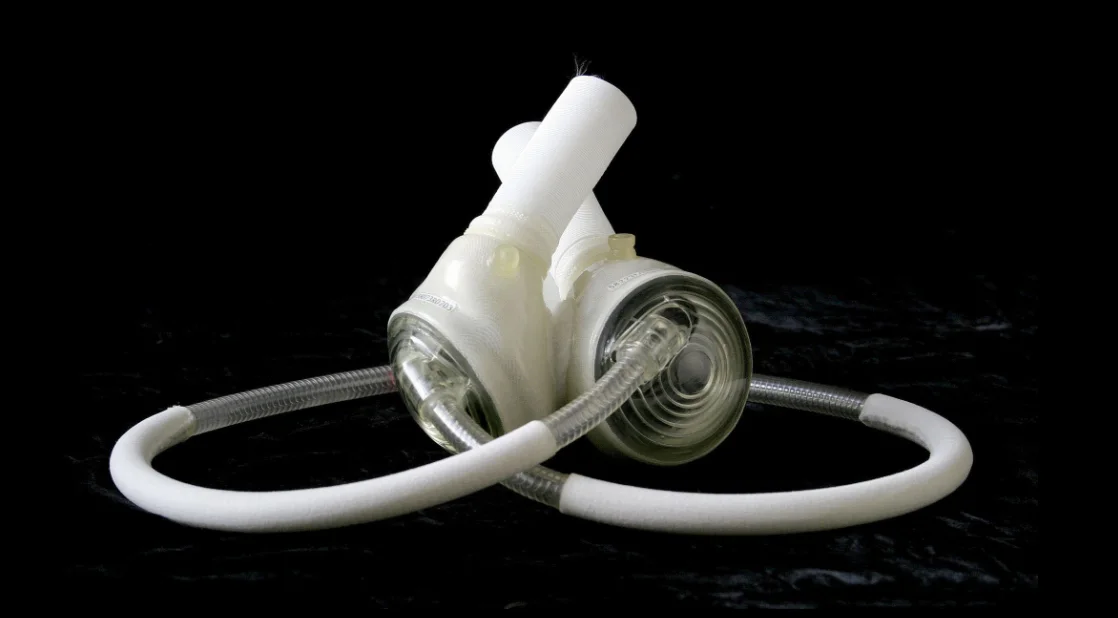
Researchers from Picard Medical and SynCardia presented the Emperor Total Artificial Heart for the first time to the global biomedical engineering community, offering a detailed look at its innovative design and technology. The new artificial heart has been developed to replace both ventricles of a failing human heart, providing a potential lifeline for patients awaiting heart transplantation or those who are not eligible for a donor heart.
According to the developers, the Emperor system incorporates a new architecture intended to improve durability, blood flow efficiency, and patient mobility compared with previous generations of artificial hearts. The design also aims to reduce complications associated with mechanical circulatory support, including blood clot formation and device wear.
The presentation marks an important milestone because it is the first time the biomedical engineering community has been given an in-depth scientific overview of the device. Researchers believe the technology could significantly expand treatment options for patients with severe heart failure, a condition affecting millions of people worldwide.
Heart disease remains the leading cause of death globally, and the shortage of donor hearts continues to limit transplantation opportunities. Innovations such as the Emperor Total Artificial Heart could help bridge that gap by offering a reliable long-term mechanical replacement for the human heart while researchers continue advancing regenerative medicine and transplantation technologies.