12 August 2026 — Arendal, Norway: Norway’s decision to invest its petroleum wealth rather than spend it immediately has produced another extraordinary result.
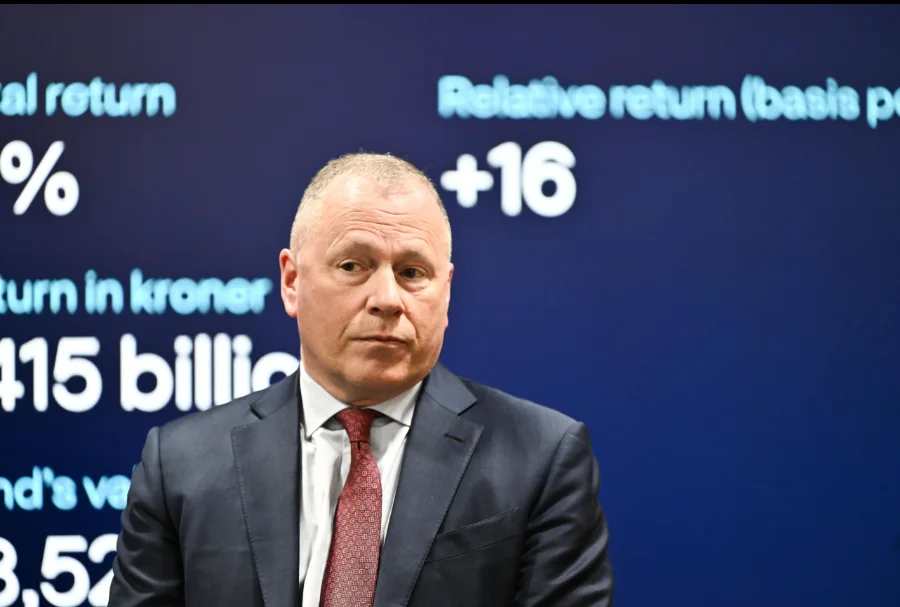
The country’s Government Pension Fund Global reported an accounting gain of NOK1.753 trillion, equivalent to approximately US$184 billion, for the first half of 2026.
It was the largest half-year return ever recorded by the fund when measured in Norwegian kroner.
The portfolio delivered an overall return of 9.4%, slightly exceeding its official benchmark. By the end of June, the fund’s value had reached NOK22.68 trillion—approximately US$2.3 trillion—cementing its position as the world’s largest sovereign wealth fund.
Technology Leads the Rally
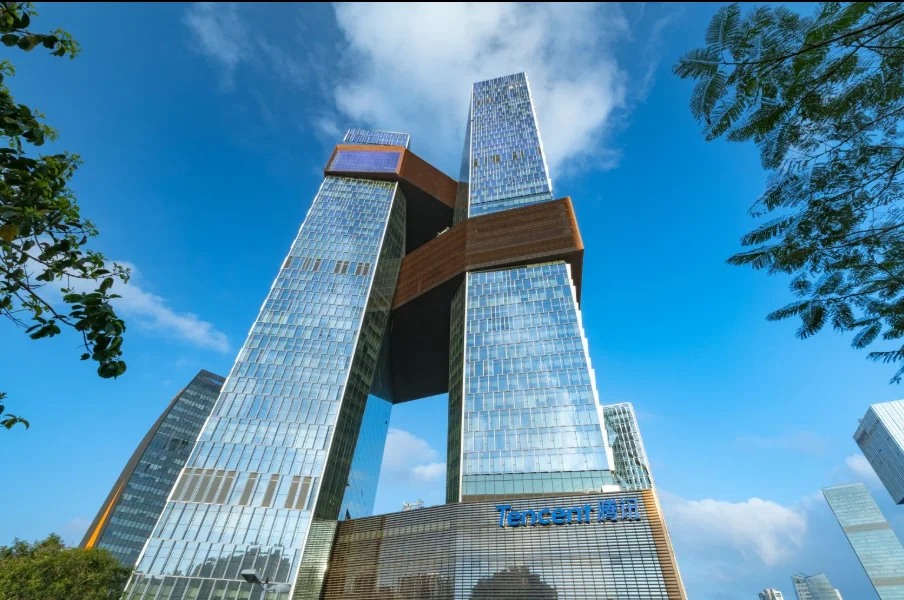
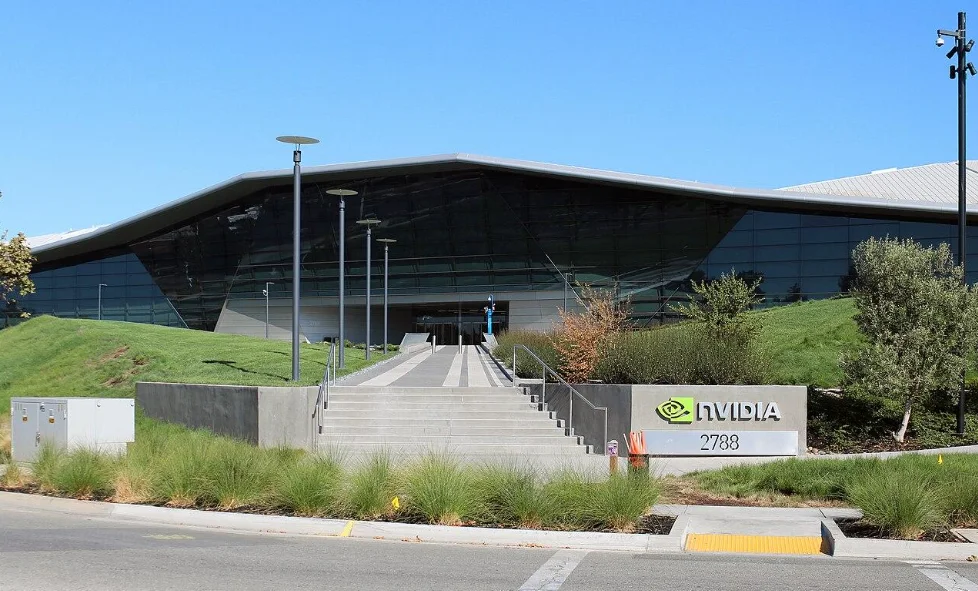
Shares in technology companies were the largest contributors to the fund’s performance.
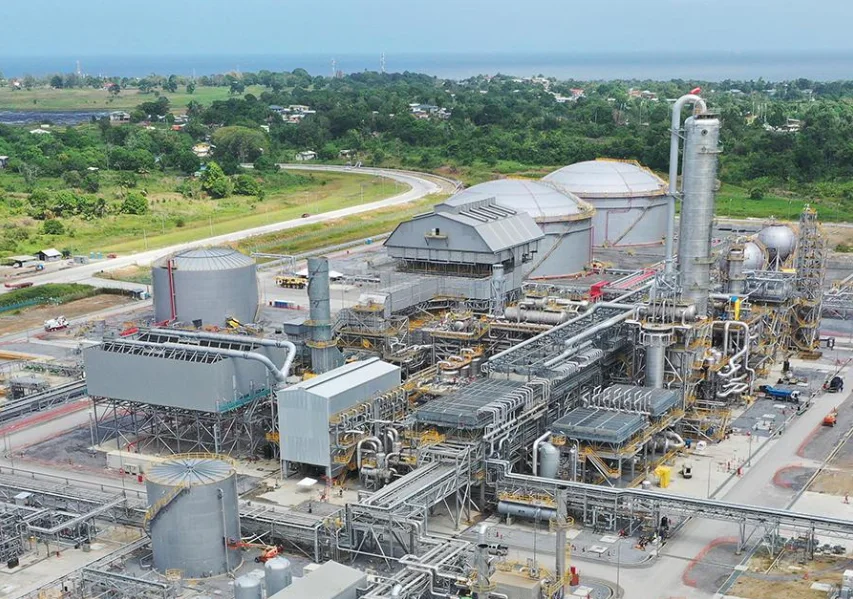
Technology investments returned 25.3% during the six-month period, while telecommunications and energy companies also produced strong gains. Equity holdings across Asia and Oceania delivered an exceptional 31.3% return.
The fund’s total equity portfolio gained 13%.
These results demonstrate how Norway’s national savings have become deeply connected to the performance of the global technology industry. Although the fund was created using revenue from oil and gas, much of its modern growth now comes from companies developing semiconductors, artificial intelligence, digital services and other technologies.
Norway’s portfolio holds investments in thousands of publicly traded businesses across numerous countries and industries. Its enormous size means that developments in global stock markets can add—or remove—billions of dollars from its value within a short period.
SpaceX Investment Revealed
The fund also disclosed a 0.05% holding in SpaceX, valued at approximately US$1.2 billion as of 30 June.
This was the first time the investment appeared in its publicly released holdings. Although US$1.2 billion would represent a transformative investment for most institutions, it remains a relatively small position inside Norway’s enormous portfolio.
The SpaceX holding gives the fund exposure to commercial spaceflight, satellite communications and the growing space-based internet market.
It also adds another Elon Musk-connected company to Norway’s investments, alongside its established holding in electric-vehicle manufacturer Tesla.
Not Every Investment Produced a Gain
The positive headline does not mean every section of the portfolio performed strongly.
Fixed-income investments, including government and corporate bonds, returned only 0.9%. Unlisted real estate generated 3%, supported by rental income and modest increases in property values.
Unlisted renewable-energy infrastructure recorded a negative return of 0.2%. Income from power sales contributed positively, but currency movements reduced the overall result.
Consumer-focused companies were the weakest area within the equity portfolio, losing approximately 4%.
A stronger Norwegian krone also reduced the fund’s reported value by NOK427 billion. Because most investments are held in foreign currencies, the domestic value of those assets declines when the krone strengthens.
Despite that currency effect, investment gains and NOK89 billion in net inflows increased the fund’s total value by NOK1.416 trillion during the six-month period.
The complete figures are available in the fund’s official half-year report.
How Norway Built a Global Financial Giant
Norway established the fund to invest income generated by its petroleum industry for present and future generations.
Instead of allowing oil revenue to flow directly into unrestricted government spending, the country created a structure that invests the money internationally. This reduces pressure on the domestic economy while ensuring that finite natural resources can continue producing value after individual oilfields decline.
The fund now owns portions of thousands of companies, alongside bonds, property and renewable-energy infrastructure.
Its returns help support Norway’s public finances, although government withdrawals remain controlled by fiscal rules intended to protect the portfolio’s long-term value.
Why the Results Matter Globally
The announcement is more than a story about Norway becoming wealthier.
It illustrates how national resources can be converted into diversified, long-term investments rather than disappearing through short-term expenditure. Other resource-rich countries continue to debate whether similar funds could protect commodity revenue from political cycles and economic shocks.
The results also reveal the growing concentration of global wealth in technology-related assets. A powerful technology rally can generate extraordinary returns, but heavy dependence on a limited group of highly valued companies can introduce serious risks if market enthusiasm reverses.
Norway’s record gain is therefore both a financial achievement and a reminder that even the world’s largest investment fund remains exposed to changing currencies, unpredictable markets and technological cycles.
On 12 August 2026, however, the balance was overwhelmingly positive: petroleum income earned decades ago had been transformed into a modern portfolio capable of generating roughly US$184 billion in only six months. Norges Bank Investment Management confirmed that it was the fund’s highest half-year return in kroner