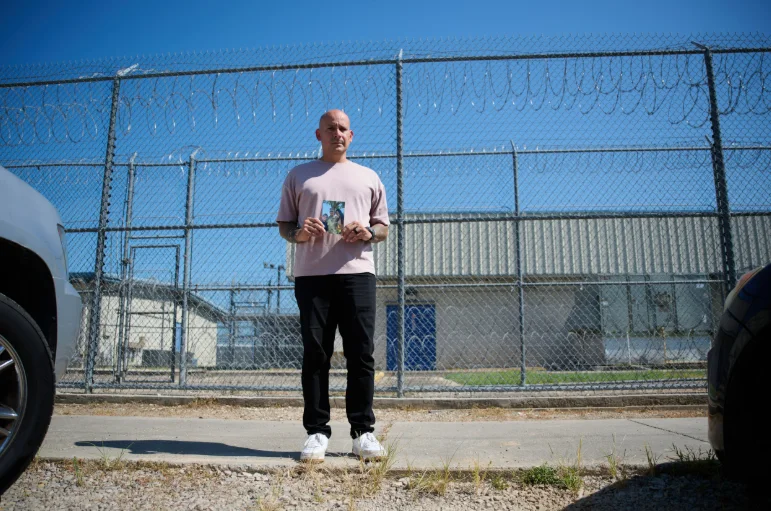
The Trump administration has detained dozens of immediate family members of active-duty United States military personnel as part of its expanded immigration-enforcement programme, according to an Associated Press investigation published on Wednesday, 5 August 2026.
The investigation identified at least 51 spouses and parents of serving military personnel who had been taken into immigration custody since Trump returned to office. At least six were deported, while eight immediate relatives remained in federal detention at the time of publication.
The true number may be higher because the Department of Homeland Security does not maintain publicly available data identifying detainees according to their relationships with military personnel.
The Associated Press compiled its findings by examining thousands of federal court records, reviewing previously reported cases and confirming information with affected families and their lawyers.
For several decades, immigration authorities generally avoided deporting the immediate relatives of active-duty service members. The approach received bipartisan support because stable families were considered important to military morale, readiness and deployment planning.
Under the latest enforcement policy, however, military spouses and parents can be arrested during routine immigration appointments or while attempting to obtain legal status.
Some of the detained relatives had reportedly applied for “military parole-in-place,” a programme that allows certain undocumented spouses, children and parents of military personnel or veterans to seek legal status without first leaving the United States.
The benefit has historically been promoted by military recruiters as an incentive for immigrants considering military service. However, the investigation found cases in which relatives were detained while their applications were still being processed.
Processing times for military parole-in-place have reportedly increased considerably, leaving some applicants exposed to detention while waiting for decisions.
The detentions have also affected military operations. Some service members reportedly delayed deployments, requested emergency leave or struggled to arrange childcare after spouses or parents were taken into custody.
Former immigration officials and military legal specialists warned that the approach could harm military preparedness, recruitment and trust between immigrant communities and the armed forces.
The Department of Homeland Security maintained that military service by a relative does not automatically exempt a person from immigration law. Officials have said enforcement decisions depend on individual immigration histories and circumstances.
The Pentagon declined to comment directly on the Associated Press findings. Several lawmakers, including some Republicans, have intervened in individual cases and requested the release of detained military relatives.
The investigation was published shortly after the White House established a new commission intended to improve housing, healthcare, employment and other conditions affecting military spouses. The contrast has intensified questions about how the government’s immigration policies align with its stated commitment to supporting military families.