Microsoft has highlighted a major advancement in medical artificial intelligence that could accelerate future cancer research and the development of diagnostic-support tools.
In an official article published on 4 August 2026, the company introduced PRISM2, a pathology foundation model trained to understand both microscopic tissue images and the clinical language used in pathology reports. The research behind the model was published separately in Nature Medicine.
How PRISM2 works
Traditional pathology AI systems are often created for one specific purpose, such as identifying signs of breast or prostate cancer. Developing a new application can therefore require researchers to build and train another specialised model.
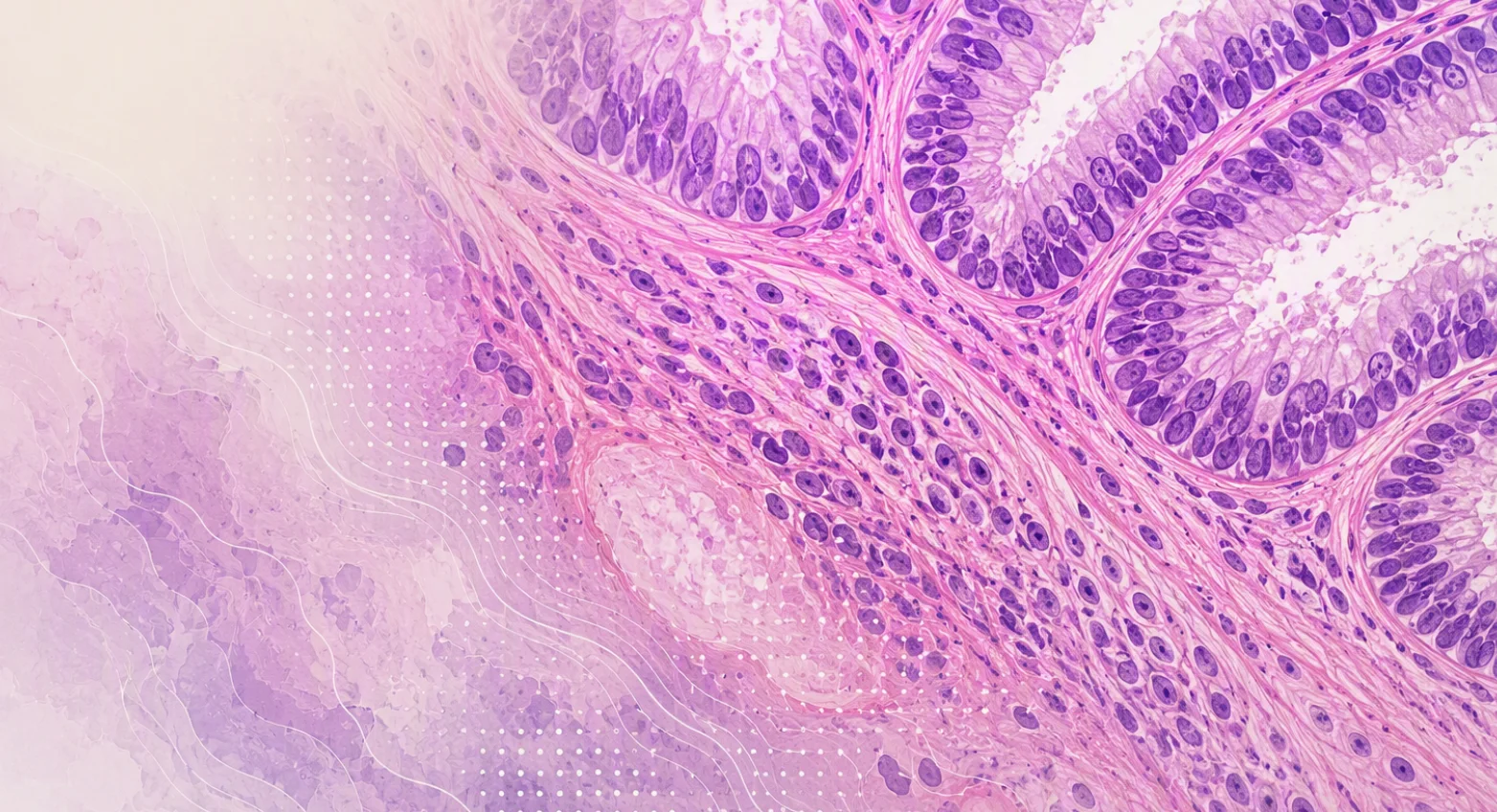
PRISM2 takes a broader approach. During its development, researchers paired pathology images with information extracted from medical reports. They generated millions of question-and-answer examples that taught the model to connect visual features found in tissue with diagnostic terminology.
The resulting system can analyse images alone or combine images with written information. Researchers can also interact with it through questions and prompts, potentially making it easier to adapt the technology to different research tasks.
Promising cancer-detection results
According to Microsoft, PRISM2 matched or surpassed specialised cancer-detection systems in several benchmark tests. These included:
- Prostate cancer detection
- Breast cancer detection
- Detection of breast-cancer metastasis in lymph nodes
Significantly, the researchers reported achieving these results without developing a separate AI model for each task.
Why the development matters
Pathologists play an essential role in cancer diagnosis by examining tissue samples and preparing reports that help doctors determine suitable treatments. However, the increasing volume and complexity of medical data can place considerable pressure on healthcare specialists.
A versatile AI model could eventually help researchers create tools that assist pathologists in analysing tissue, recognising important patterns and extracting insights from large medical datasets. Nevertheless, PRISM2 remains a research model and should not be presented as an independent replacement for qualified medical professionals.
Microsoft has made the model weights publicly available on Hugging Face for research use. This could allow scientists and developers worldwide to examine the technology, test its capabilities and explore additional pathology applications.