Liverpool Football Club could soon welcome some of the world’s most influential technology investors into its ownership structure as Fenway Sports Group moves closer to selling a substantial minority stake.
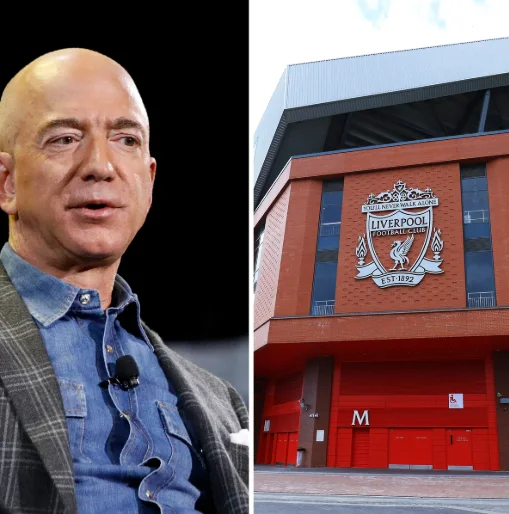
A consortium involving Amazon founder Jeff Bezos and Facebook co-founder Eduardo Saverin has reportedly reached an agreement in principle to purchase approximately 30% of the club. The investor group is being led by Amit Bhatia, a businessman and former Queens Park Rangers shareholder who is also the son-in-law of steel billionaire Lakshmi Mittal.
The proposed investment is valued at approximately £1.35 billion. Based on that amount, Liverpool would receive an overall valuation of around £4.4 billion—approximately $5.9 billion—placing it among the world’s most valuable football businesses.
The agreement is not yet final. Negotiations, regulatory work and documentation could take several weeks, while the structure or timing may still change. Deal report published on 10 August 2026
Fenway Sports Group, commonly known as FSG, is expected to retain control of Liverpool after completing the proposed sale. The American sports-investment company purchased the club in 2010 and has overseen significant commercial and sporting growth.
Liverpool’s global popularity has transformed it into far more than a football team. Its business includes broadcasting income, sponsorships, merchandise, match-day revenue and international commercial partnerships. The club’s large worldwide following makes it particularly attractive to investors seeking assets with loyal audiences and globally recognised brands.
Bezos’s involvement would represent his most significant move into football ownership. Although he stepped down as Amazon’s chief executive in 2021, he remains closely associated with one of the world’s largest companies and possesses vast personal investment capacity.
Saverin also brings a strong technology and investment background. As a Facebook co-founder and prominent venture investor, his reported participation highlights the growing connection between technology wealth and elite sports ownership.
The transaction comes during a period of significant change at Liverpool. The club has experienced leadership and squad transitions while preparing for another demanding domestic and European campaign. Fresh investment could provide additional financial flexibility, although minority shareholders would not automatically control football operations.
For FSG, selling part of Liverpool offers a way to realise some of the enormous increase in the club’s value without surrendering overall control. The proceeds could also strengthen the group’s wider sporting and investment portfolio.
Why This Matters
Leading football clubs have become scarce global assets. Unlike ordinary companies, they combine intellectual property, live entertainment, media rights, property, international tourism and deep emotional loyalty from supporters.
The reported £4.4 billion valuation demonstrates how strongly investors value access to the Premier League’s international audience. It may also influence future negotiations involving other major European clubs.
The potential deal should nevertheless be described carefully until it closes. Bezos has not purchased Liverpool outright, and FSG is not reportedly surrendering control. What is currently under discussion is a major minority investment that could introduce new billionaire shareholders while preserving the existing ownership structure.