One of the world's most valuable football clubs could be heading toward a dramatic change in its ownership structure.
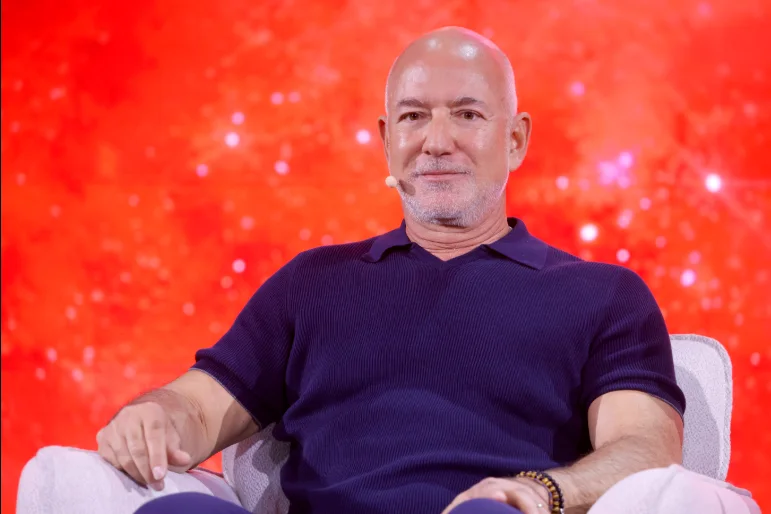
Investors including billionaire Amazon founder Jeff Bezos are reportedly moving closer to an agreement to purchase a stake in Liverpool Football Club from its current owner, Fenway Sports Group.
The discussions value Liverpool at approximately $8 billion, according to reporting available on 15 August 2026.
The potential transaction is significant not simply because of the enormous valuation, but because the proposed arrangement reportedly includes an option to acquire the remainder of the club.
If exercised in the future, that could ultimately produce a much larger ownership transformation.
Liverpool has become a global business
Liverpool is far more than a football team competing in England.
Its enormous international following has turned the club into a global sports and entertainment business, generating revenue through broadcasting, sponsorships, merchandise, matchday operations and commercial partnerships.
That worldwide audience is one reason elite football clubs have attracted increasingly wealthy investors.
An $8 billion valuation would underline just how dramatically the financial landscape surrounding top European football has changed.
Sports franchises once valued primarily around stadium revenues and local supporters are increasingly being treated as international media properties.
Fenway Sports Group has transformed the club
Fenway Sports Group acquired Liverpool in 2010, when the club was navigating significant financial and competitive challenges.
Since then, Liverpool has undergone extensive commercial and sporting development.
Investment has also been made in infrastructure, including the redevelopment and expansion of Anfield.
At the same time, Liverpool returned to the highest levels of European and English football, strengthening the club's global commercial appeal.
That transformation helps explain why today's potential valuation is dramatically higher than the price paid when Fenway Sports Group acquired the club.
Bezos involvement would attract enormous attention
The reported involvement of Jeff Bezos immediately raises the profile of the negotiations.
Bezos built Amazon into one of the world's largest companies and has subsequently expanded his investments into other industries.
However, involvement in a major European football institution would represent a very different type of investment.
Liverpool has generations of supporters who view the club as a cultural institution rather than simply a commercial asset.
Any major ownership change would therefore face scrutiny not only from financial markets but from supporters concerned about the club's identity, spending strategy and long-term direction.
Why investors want elite sports assets
Professional sports franchises have become increasingly attractive to billionaires, institutional investors and private-equity groups.
One reason is scarcity.
There are only a limited number of football clubs with truly global recognition, enormous fan bases and regular access to lucrative international competitions.
Those characteristics cannot easily be recreated by launching a new company.
Sports also provide something increasingly valuable in the fragmented entertainment market: audiences that still watch major events live.
That makes broadcasting and digital rights associated with elite competitions commercially powerful.
Liverpool sits near the centre of that market.
An option to buy the rest changes the story
The most consequential element of the reported proposal may be the possibility of acquiring more than an initial minority position.
According to the report, the potential transaction could give investors an option to acquire the rest of Liverpool later.
That means the immediate investment could potentially become the first stage of a much larger transaction.
However, negotiations are not the same as a completed sale. Until the parties formally announce an agreement, the structure, valuation and ultimate ownership outcome could still change.
Why this matters
An investment valuing Liverpool at around $8 billion would demonstrate how rapidly elite football clubs are evolving into some of the world's most valuable entertainment assets.
The potential involvement of investors including Jeff Bezos adds another dimension: enormous technology-era fortunes are increasingly looking toward global sports as a major investment opportunity.
For Liverpool supporters, however, the financial numbers will not be the only concern.
They will want to know what new investors intend to do with the club, whether ownership changes could affect sporting investment and whether Liverpool's traditions would remain protected.
The business world will therefore be watching what happens next.
If negotiations produce a final agreement and particularly if the reported option to acquire the remainder of Liverpool is eventually exercised the deal could become one of the most consequential ownership changes in modern European football business.