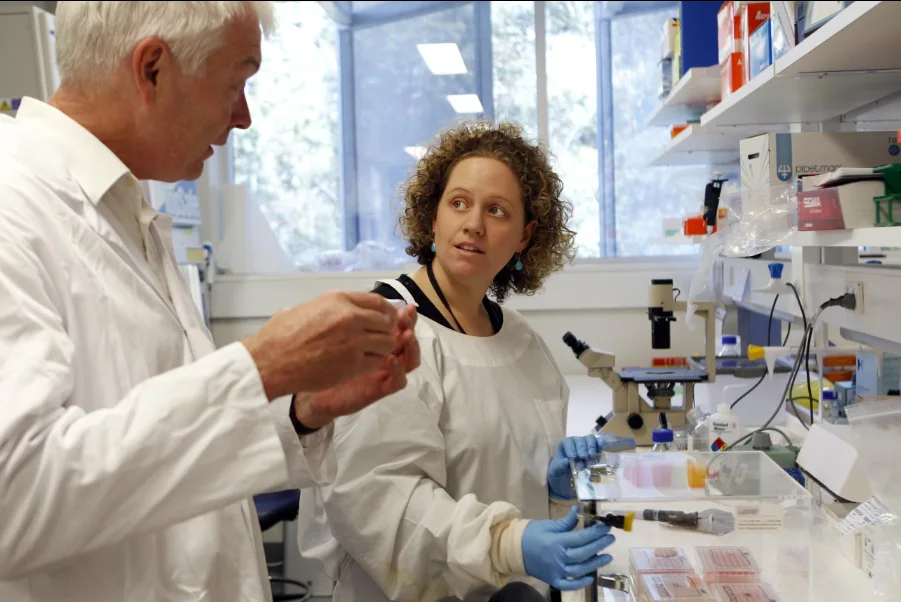
Scientists at Australia's Institute for Biomedicine and Glycomics have revealed significant advances in medical research aimed at tackling some of the world's deadliest diseases. Among the most notable achievements is the continued development of a malaria vaccine designed to prevent infection or reduce the severity of the disease, which continues to claim hundreds of thousands of lives each year, particularly in Africa.
Researchers also reported encouraging progress on a new treatment for sepsis, a life-threatening condition caused by the body's overwhelming response to infection. The institute says the experimental therapy has advanced into Phase 2 clinical trials, bringing it a step closer to potential clinical use.
In addition, scientists are developing a vaccine against Strep A, the bacterium responsible for illnesses ranging from sore throat to rheumatic heart disease. Another research team is working on innovative blood and saliva-based diagnostic technologies that could enable earlier detection of liver fibrosis and other serious diseases.
Health experts say these developments demonstrate how investment in biomedical research can lead to breakthroughs with global impact. If the ongoing clinical trials continue to produce positive results, these innovations could significantly improve the prevention, diagnosis, and treatment of infectious diseases and save millions of lives over the coming years.