A decision made inside Google more than a decade ago has quietly matured into an investment worth nearly as much as some of the world’s largest companies.
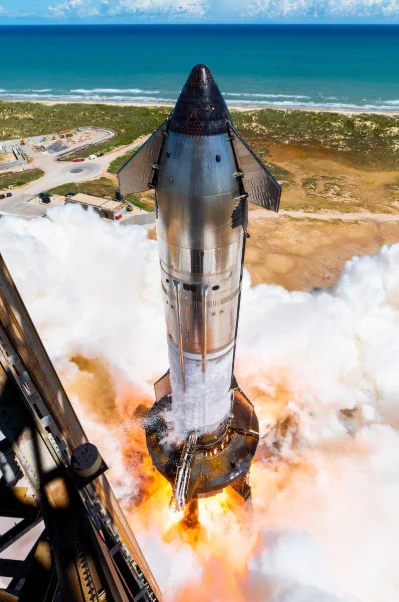
Newly examined regulatory filings showed that Alphabet held approximately 551.2 million SpaceX shares at the end of the second quarter. At SpaceX’s 30 June closing price of $170.86, that position carried an estimated value of $94.2 billion.
Alphabet originally invested about $900 million in Elon Musk’s rocket company in 2015. The enormous increase means the investment’s reported value multiplied by more than one hundred times, although the final profit would depend on the price Alphabet could obtain if it sold its shares.
The disclosure also establishes Alphabet as SpaceX’s largest reported institutional shareholder following the space company’s record-breaking public listing in June. SpaceX’s initial public offering raised approximately $85.7 billion after underwriters exercised their full option to purchase additional shares, according to the company’s official IPO announcement.
Other major institutional investors disclosed substantial positions. Fidelity Investments reported approximately 302.6 million shares, while Gigafund Management held around 171.8 million. Saudi Arabia’s Public Investment Fund disclosed 154.1 million shares, valued at about $26.3 billion at the end of June.
Baillie Gifford and BlackRock also appeared among the largest reported investors. Together, the five biggest institutional holders accounted for nearly three-quarters of the SpaceX shares included in the available institutional filings. Elon Musk separately reported a 48.4% personal stake in the company.
However, Alphabet’s $94.2 billion figure represents a snapshot rather than guaranteed cash. SpaceX shares subsequently declined from their end-of-June price. Based on the 13 August closing price, Alphabet’s disclosed position would have been worth roughly $77.9 billion—still more than 86 times the value of its original investment. The holdings analysis was published on 14 August.
The regulatory filings also cover positions held only at the end of June. They cannot reveal whether Alphabet or other large investors have since purchased additional shares, reduced their holdings or are restricted from selling by post-IPO lockup agreements.
The investment demonstrates how strategic partnerships can produce financial gains far beyond their original commercial purpose. Google initially backed SpaceX while the companies explored satellite-related opportunities. What began as a relatively small corporate investment has now become a major asset capable of influencing Alphabet’s balance sheet and future capital decisions.
There is also risk behind the extraordinary return. SpaceX remains exposed to expensive launch programmes, regulatory scrutiny, government-contract dependence and volatile investor expectations. A significant decline in its share price could remove billions of dollars from the estimated value of Alphabet’s position without changing Google’s core business performance.
Nevertheless, the scale of the increase is difficult to ignore. Alphabet did not build the rockets, operate the launchpads or lead SpaceX’s public offering. Yet its willingness to back an ambitious private company in 2015 has created a paper fortune that now ranks among the technology industry’s most valuable corporate investments.