ADNOC Gas has delivered a strikingly mixed message to global energy markets: its immediate earnings have been severely damaged, but its long-term expansion plans are becoming considerably larger.
The company reported second-quarter net income of $665 million, approximately 52% below the $1.39 billion earned during the corresponding period a year earlier. Disrupted maritime traffic through the Strait of Hormuz prevented the business from exporting products normally, placing significant pressure on sales.
Although the decline was substantial, the result exceeded ADNOC Gas’s own forecast, which had placed quarterly profit between $400 million and $600 million. Second-quarter business update
The company generated about $1.7 billion in net income during the first half of 2026. Nearly $1 billion came from domestic gas sales, demonstrating how the UAE market helped protect the business while international shipping remained unreliable.
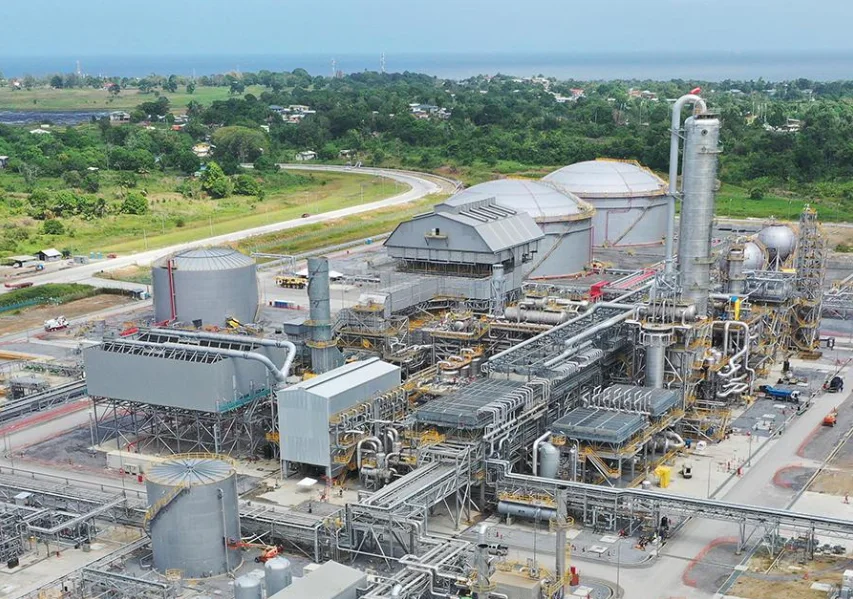
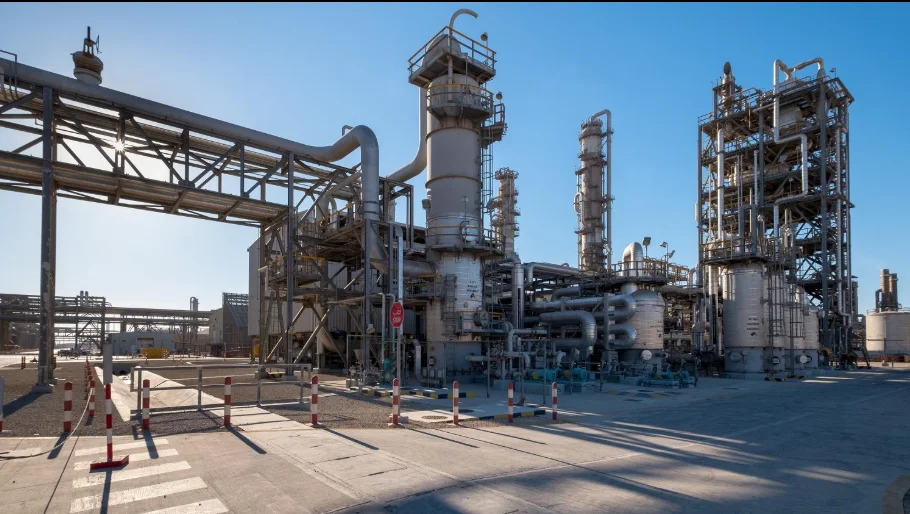
Rather than delaying growth projects, ADNOC Gas has awarded approximately $8.2 billion in contracts covering the second and third phases of its Rich Gas Development programme. The work will add a new gas-processing train at Habshan and another fractionation unit at Ruwais.
Fractionation facilities separate raw natural-gas liquids into commercially useful products such as propane, butane, condensate and naphtha. These materials are sold into energy, manufacturing and petrochemical markets rather than being treated simply as ordinary pipeline gas.
The new contracts form part of a broader Rich Gas Development project valued at approximately $13.2 billion. ADNOC Gas plans to spend about $28 billion on expansion through 2030 as it attempts to extract more value from the UAE’s available gas resources.
The decision represents a calculated bet that global demand for natural gas will remain strong despite current disruption. Population growth, electricity consumption, industrial development and expanding data centres are expected to increase energy requirements across several markets.
However, the company must first navigate significant operational risks. Regional conflict has affected energy infrastructure, while restricted movement through the Strait of Hormuz continues to complicate exports. Damage previously sustained at the Habshan complex has also required an extended recovery programme.
ADNOC Gas now expects third-quarter net income between $600 million and $800 million. Its full-year estimate has been reduced to approximately $3.5 billion–$4 billion, compared with the record $5.2 billion generated in 2025.
Why This Matters
ADNOC Gas supplies around 60% of the UAE’s sales-gas requirements and also serves customers in more than 20 countries. Its investment decisions therefore affect construction contractors, industrial customers and international energy buyers.
The expansion also illustrates a wider business trend: large energy producers are investing heavily in gas even while geopolitical disruption threatens short-term earnings. The strategy assumes that future demand will justify constructing additional processing and export infrastructure today.
For investors, the central question is whether the new facilities can produce strong returns before competition and additional global supply weaken prices. For customers, the expansion could eventually create a larger and more flexible source of gas products from the Middle East.
ADNOC Gas is effectively using the strength of its domestic operations and balance sheet to build through a crisis. Whether that decision becomes a bold success or an expensive miscalculation will depend heavily on regional stability and the future direction of global energy demand.