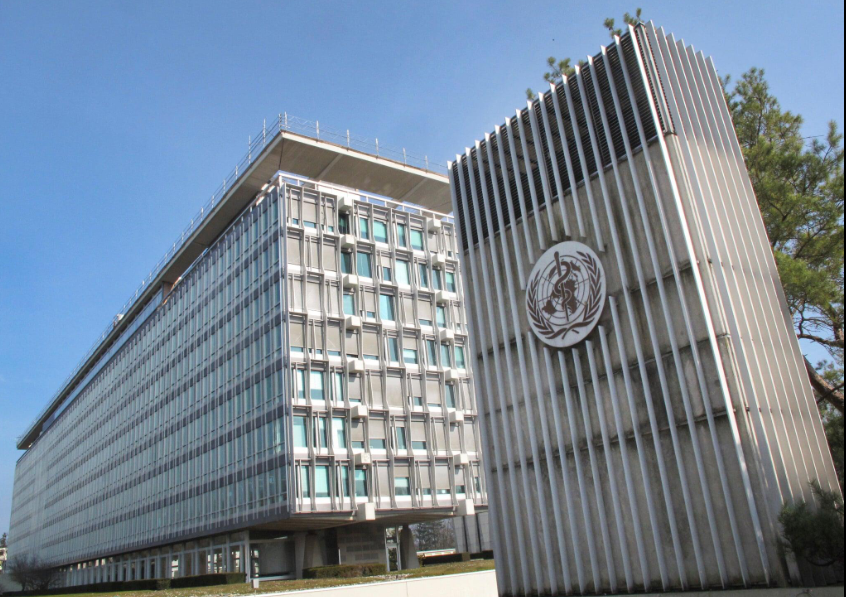
The World Health Organization (WHO) has unveiled a comprehensive set of seven global strategies designed to reduce drowning, one of the world's leading causes of preventable death.
The announcement was made ahead of World Drowning Prevention Day, observed annually on 25 July, as WHO called on governments, communities and international partners to strengthen efforts to protect people living near rivers, lakes, oceans and other bodies of water.
According to WHO, drowning claims hundreds of thousands of lives every year, with children and young people among the most affected. Many of these deaths occur in low- and middle-income countries where access to swimming lessons, safe water infrastructure and emergency rescue services is limited.
The seven recommended strategies include teaching swimming and water safety skills, improving supervision of children near water, installing barriers around hazardous water bodies, strengthening flood preparedness, improving rescue and emergency medical response, promoting safe boating practices, and integrating drowning prevention into national public health policies.
WHO emphasized that drowning is preventable through coordinated action involving governments, schools, local communities and health organizations. The agency urged countries to invest in education, infrastructure and emergency preparedness to significantly reduce drowning-related deaths in the coming years.
As countries prepare to mark World Drowning Prevention Day, WHO hopes the new guidance will encourage stronger national policies and community initiatives that protect vulnerable populations and save thousands of lives every year.