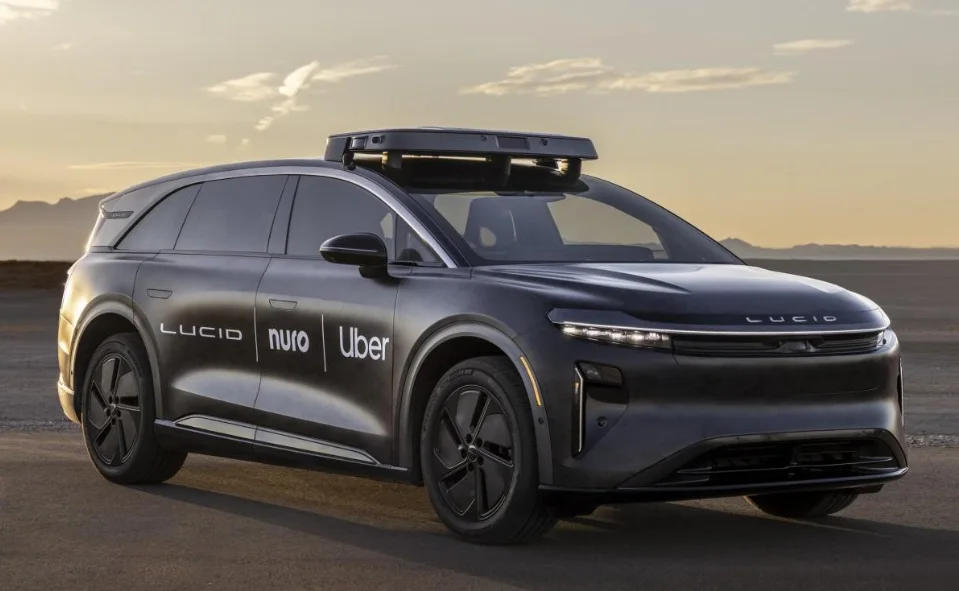
Uber announced that it is significantly expanding its autonomous mobility strategy through partnerships with approximately 30 self-driving vehicle companies around the world. Rather than developing all of the technology itself, Uber is working with leading autonomous driving developers to integrate robotaxis and self-driving delivery vehicles into its global transportation network.
The partnerships span North America, Europe, the Middle East, and Asia, reflecting Uber's strategy of building a global autonomous ecosystem. The company believes that collaborating with multiple technology providers will accelerate the commercial rollout of self-driving services while giving passengers more transportation options in the coming years.
Autonomous vehicles are widely regarded as one of the next major transformations in the transport industry. Supporters say the technology has the potential to reduce road accidents caused by human error, improve mobility, lower operating costs, and provide more efficient transportation services. However, developers continue to face technical, regulatory, and public acceptance challenges before large-scale deployment becomes widespread.
Technology analysts say Uber's expanding autonomous vehicle network demonstrates the industry's growing confidence that self-driving transportation is moving closer to mainstream adoption. As investment in artificial intelligence, advanced sensors, and robotics continues to increase, autonomous mobility is expected to become one of the defining technologies of the next decade.