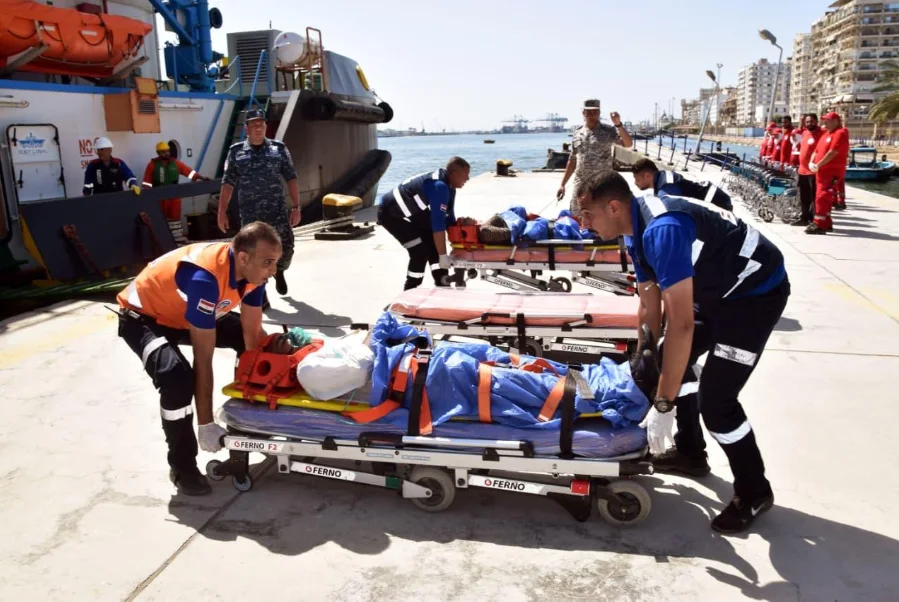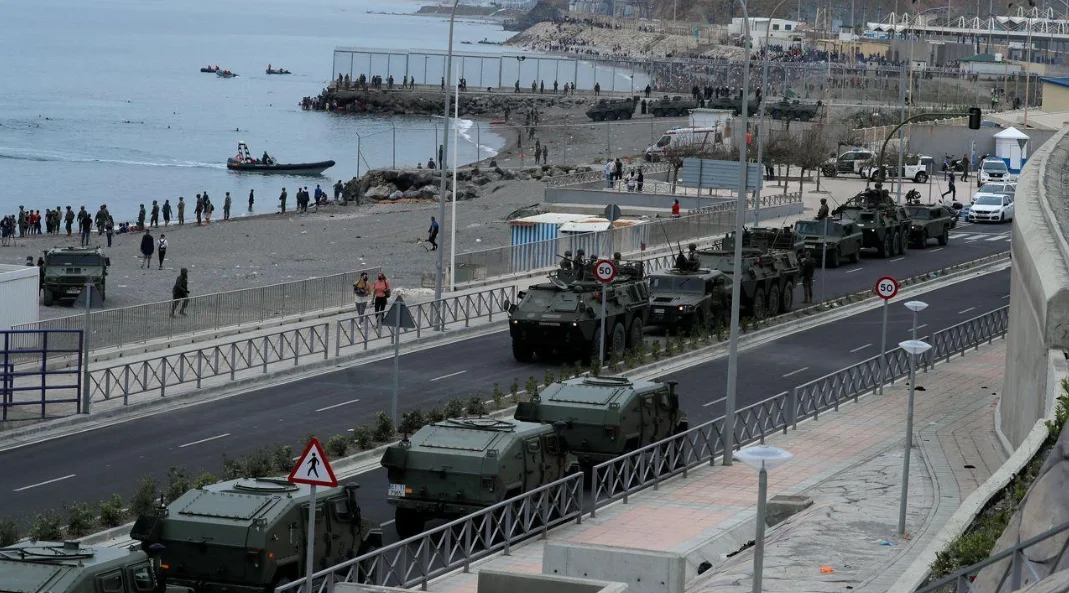
The crisis began when large numbers of migrants crossed into Ceuta, a Spanish territory located on the northern coast of Africa and bordering Morocco. Many entered by swimming around border barriers, using inflatable tubes, or forcing their way through border crossings. Initial estimates ranged from a few thousand arrivals, but later official figures indicated that more than 49,000 people may have entered the enclave within 24 hours, making it one of the largest border breaches in recent European history.
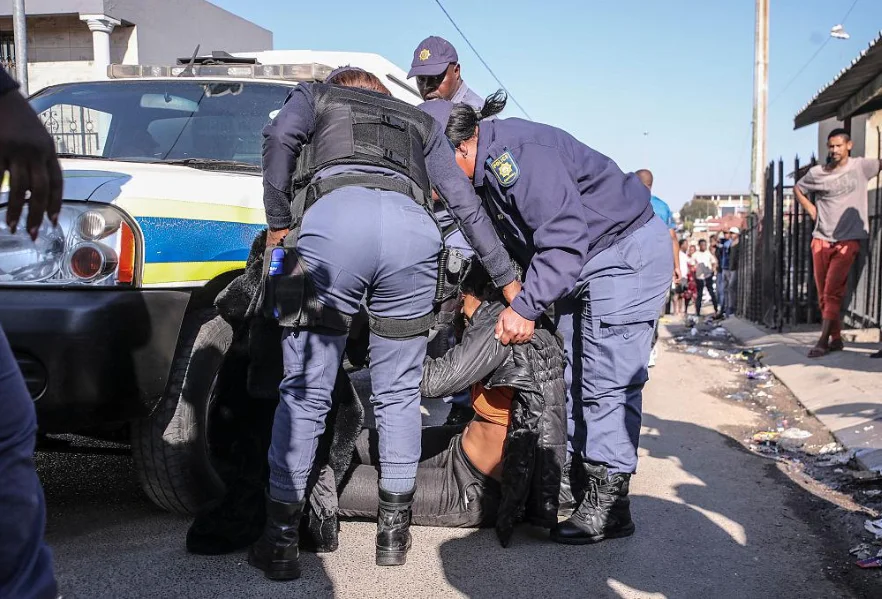
Spanish authorities responded by deploying additional police officers and military personnel to restore order and reinforce border security. Ceuta's local government warned that the territory's infrastructure had been overwhelmed and appealed to Madrid for emergency assistance. Many migrants were left without shelter, food, or basic services, creating an urgent humanitarian situation.
The crossings also resulted in a significant loss of life. Reports confirmed that at least 19 people were found dead, while other outlets reported even higher death tolls as rescue operations continued. Most of the victims are believed to have drowned while attempting to swim into Spanish territory.
Spanish Prime Minister Pedro Sánchez visited Ceuta and described the mass crossing as a serious violation of Spain's territorial integrity. He blamed human trafficking networks for spreading misinformation that encouraged migrants to attempt the dangerous journey. Spain and Morocco have since coordinated efforts to strengthen the border and begin returning migrants who do not qualify for legal protection.
The incident has renewed debate across Europe over migration policy, border security, and cooperation between the European Union and Morocco. It also highlights the ongoing economic hardship and migration pressures driving many Africans to risk dangerous routes in hopes of reaching Europe.