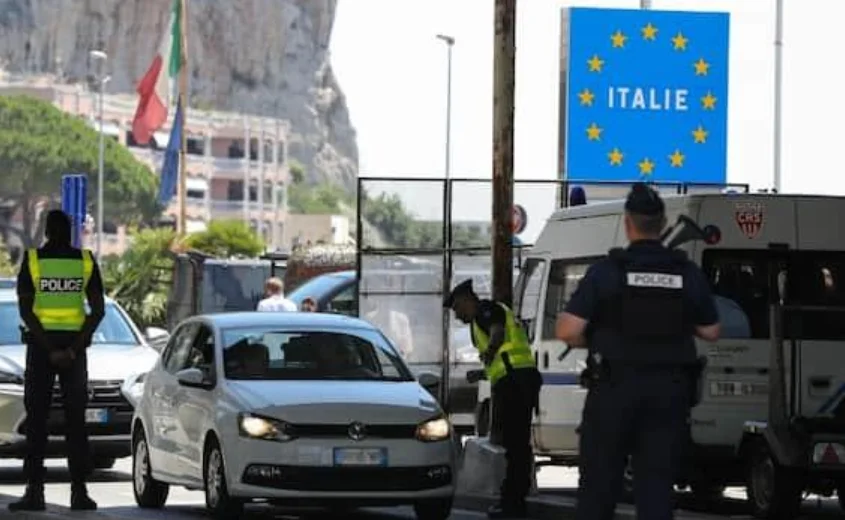
The Italian government announced that it will introduce targeted border checks on travelers arriving from Spain after a massive surge of migrants crossed into Ceuta, Spain's North African territory bordering Morocco. Italian Prime Minister Giorgia Meloni described the decision as an extraordinary measure intended to safeguard national security while responding to the rapidly evolving migration situation.
According to Spanish authorities, tens of thousands of migrants entered Ceuta within a short period, creating one of the largest migration emergencies in recent years. Spain has been working with Moroccan authorities to manage the situation, while thousands of migrants have already returned to Morocco. The European Commission has stressed the importance of protecting the EU's external borders while respecting European law and humanitarian obligations.
The developments have prompted reactions from several European governments. Some EU leaders have called for stronger external border protection and a review of migration policies, while others have emphasized solidarity with Spain and the need for a coordinated European response. The migration surge has once again highlighted the political divisions within the European Union over how to manage irregular migration.
Political analysts say the crisis is likely to dominate discussions among European leaders in the coming days, with possible implications for Schengen travel arrangements, asylum policy, and cooperation between the EU and North African countries. The outcome of these discussions could shape Europe's migration strategy for years to come.