The Food and Agriculture Organization (FAO) has issued its latest situation update on African Swine Fever (ASF), reporting that the disease remains a major threat to pig farming across the Asia-Pacific region. Since the disease first emerged in the region in 2018, outbreaks have been reported in more than 20 countries, posing ongoing risks to food production, rural livelihoods, and international trade.
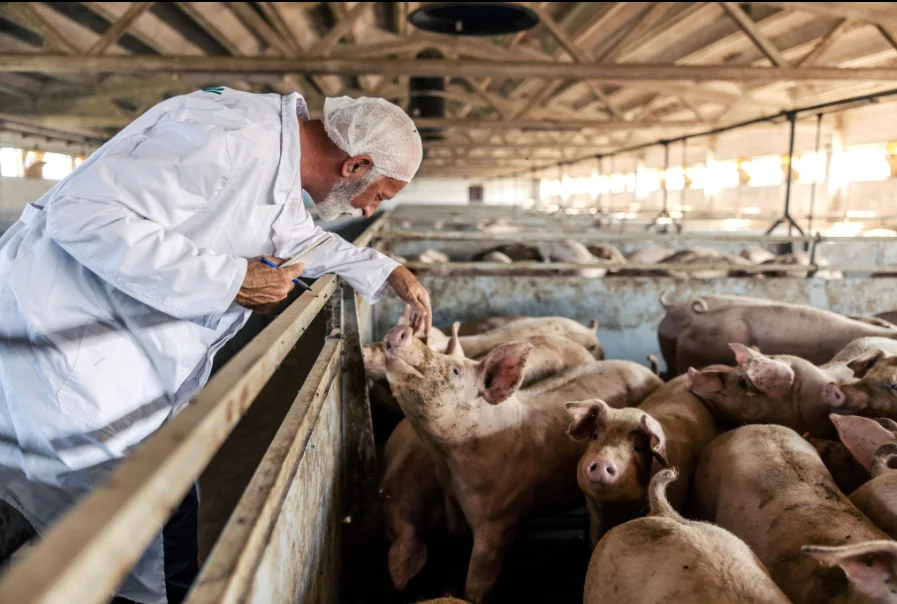
FAO emphasized that ASF is not a threat to human health, but it is highly contagious among domestic pigs and wild boar, with mortality rates that can approach 100% in affected herds. The organization is urging governments and livestock producers to strengthen farm biosecurity, improve disease surveillance, and rapidly report suspected outbreaks to limit further spread.
The livestock sector plays a critical role in food security and rural economies throughout Asia. Continued outbreaks could lead to significant economic losses for farmers, disrupt pork supplies, and increase pressure on food markets. FAO is working with veterinary authorities and international partners to improve preparedness, laboratory testing, and emergency response capabilities.
Agricultural experts say controlling African Swine Fever remains one of the world's top animal health priorities. Stronger regional cooperation, investment in veterinary services, and improved farm management practices will be essential to protecting pig production and ensuring stable food supplies in the years ahead.