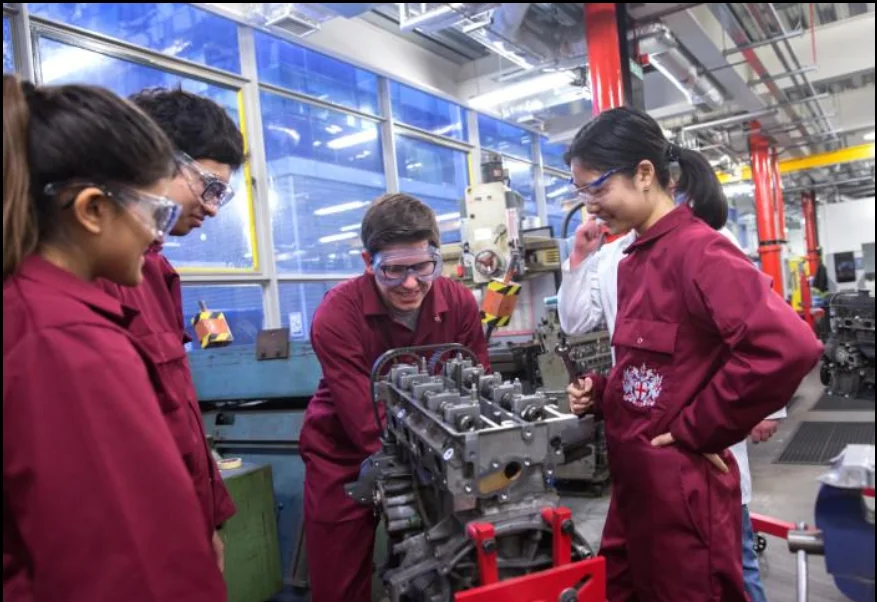
The UK government has announced plans to reshape secondary education by encouraging schools, colleges, employers, and local authorities to work more closely together. The proposed reforms are intended to ensure that young people develop the practical skills needed in their local labour markets, helping to address skills shortages in sectors such as engineering, healthcare, digital technology, and advanced manufacturing.
A key element of the proposal is to give technical and vocational pathways the same recognition as university-focused academic routes. The government plans to expand high-quality vocational qualifications and encourage stronger partnerships between schools and businesses, allowing students to gain experience that is directly relevant to future employment.
The reforms are also designed to reduce the number of young people who are not in education, employment, or training (NEET). By tailoring education more closely to regional economic needs, policymakers hope to improve employment opportunities while supporting long-term economic growth.
Education experts say the proposal represents one of the most significant changes to England's secondary education system in recent years. If implemented successfully, the reforms could influence education policy in other countries seeking to strengthen links between schools, skills development, and the modern workforce.