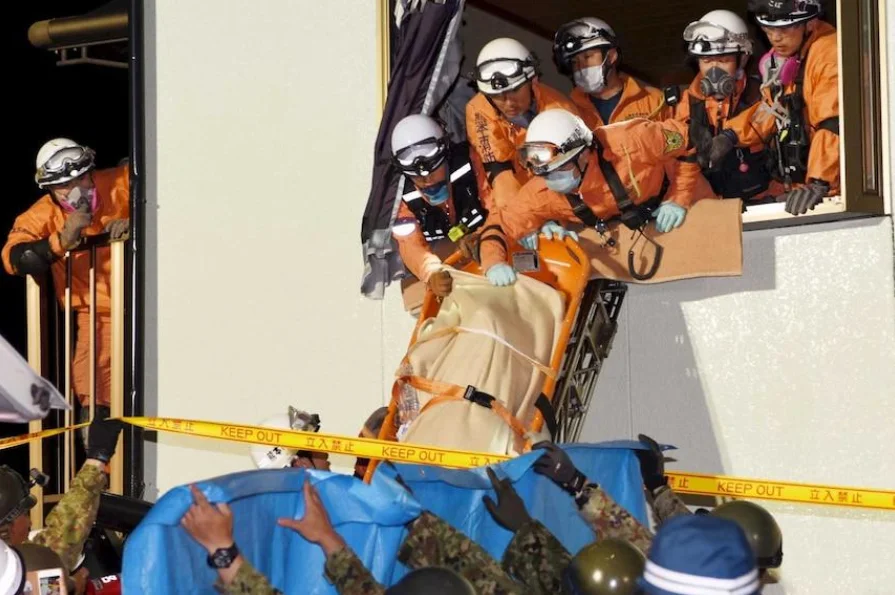
A powerful earthquake that struck southwestern Japan earlier this week continues to claim lives, with authorities confirming that the death toll has climbed to 34. Rescue crews are still searching damaged buildings, factories, and commercial facilities for survivors as emergency teams race against time.
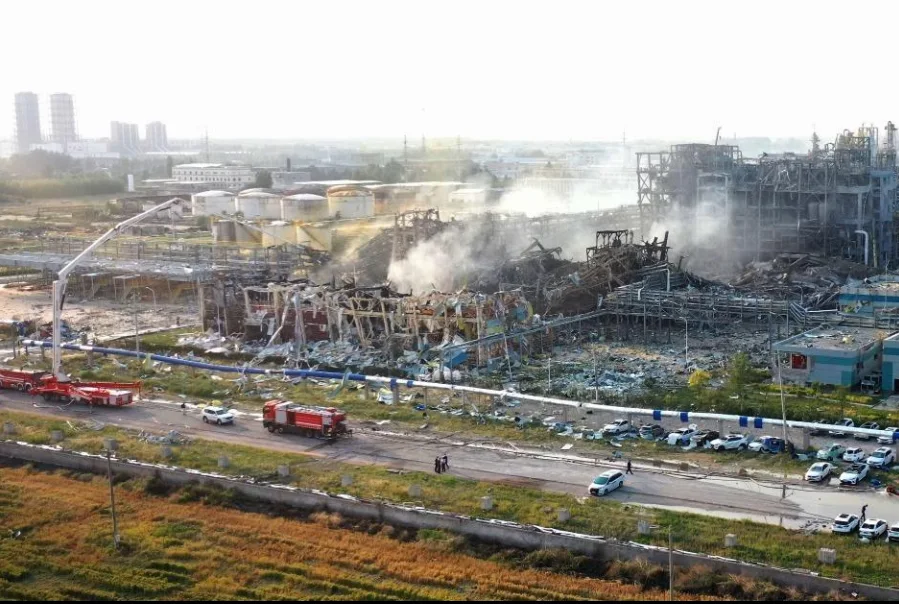
Some of the dead were workers at a Nippon Paper Industries mill, where a large smokestack collapsed during the quake. Others lost their lives at an Aeon shopping mall, where a suspected gas explosion occurred more than an hour after the earthquake, causing further destruction. Authorities are investigating whether damaged gas infrastructure triggered the blast.
The disaster has severely disrupted daily life across the region. Thousands of households remain without electricity or running water, while roads, buildings, and public infrastructure have sustained extensive damage. Rescue efforts have also been hampered by frequent aftershocks and temperatures approaching 40°C, increasing the risk of heat-related illnesses among both survivors and emergency responders.
Japan's government has mobilized military personnel, firefighters, and disaster response teams to assist affected communities. Emergency shelters have been established for displaced residents as authorities continue damage assessments and provide food, water, and medical assistance. The earthquake has also disrupted industrial production, with several major manufacturers temporarily suspending operations while inspecting facilities for structural damage.
The tragedy is a reminder of Japan's vulnerability to major seismic events as the country sits on the Pacific "Ring of Fire," one of the world's most active earthquake zones. Officials continue to urge residents to remain alert for additional aftershocks in the coming days.