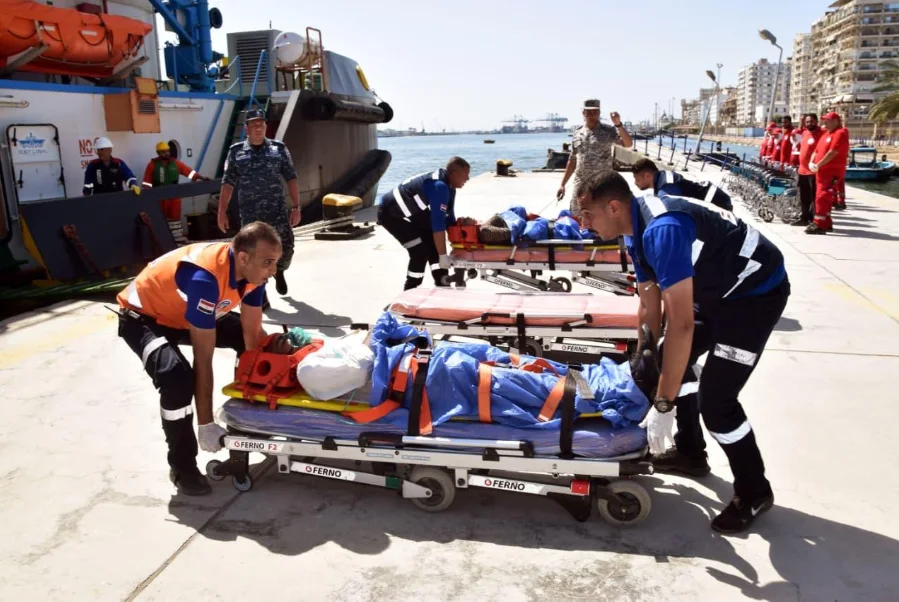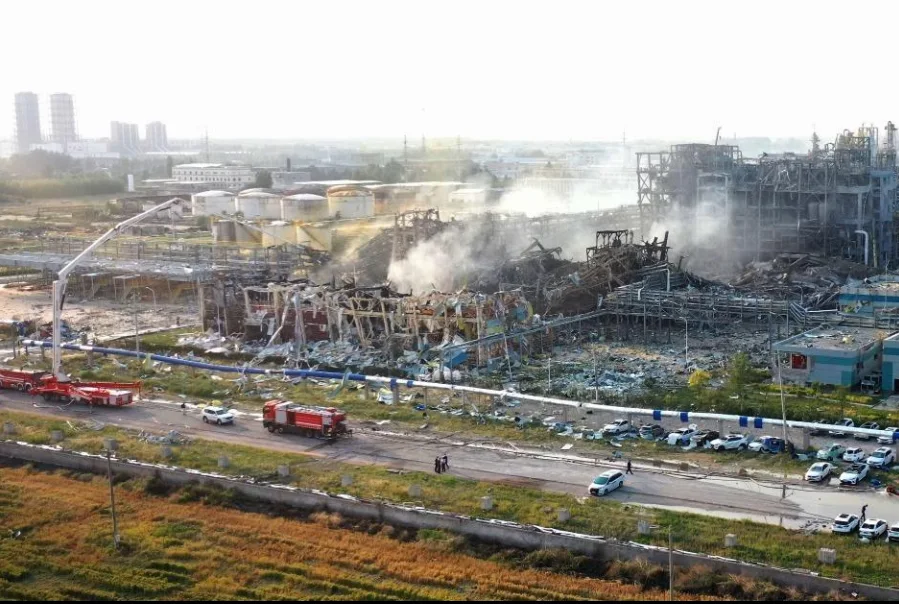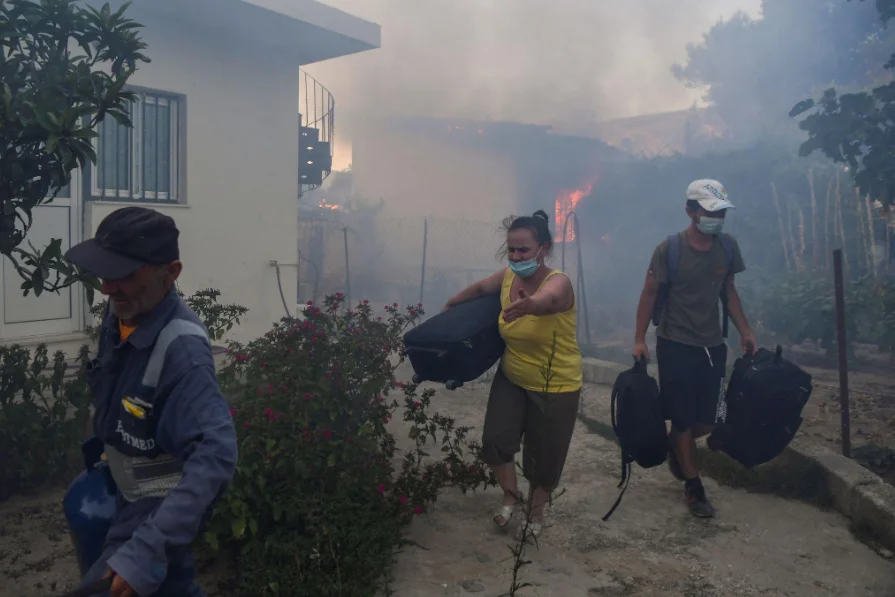
Southern Europe is facing one of its most severe wildfire emergencies of the year as fast-moving fires continue to spread through forests, rural communities, and tourist destinations. Emergency services have ordered large-scale evacuations in several regions while deploying thousands of firefighters, aircraft, and helicopters to contain the flames.
Authorities say the fires have destroyed homes, scorched vast areas of vegetation, and disrupted transport and power supplies in some communities. Thick smoke has reduced visibility and affected air quality, prompting health warnings for residents, particularly the elderly and those with respiratory conditions.
Meteorologists attribute the crisis to an intense heatwave, prolonged drought, and strong winds that have created ideal conditions for wildfires to spread rapidly. Officials warn that the fire danger remains at an extreme level and that additional outbreaks are possible if weather conditions do not improve.
Governments across the region have mobilized emergency resources and appealed for international assistance through the European Union's civil protection mechanism. Firefighters continue working around the clock to protect lives and critical infrastructure, while displaced families remain in temporary shelters awaiting permission to return home.